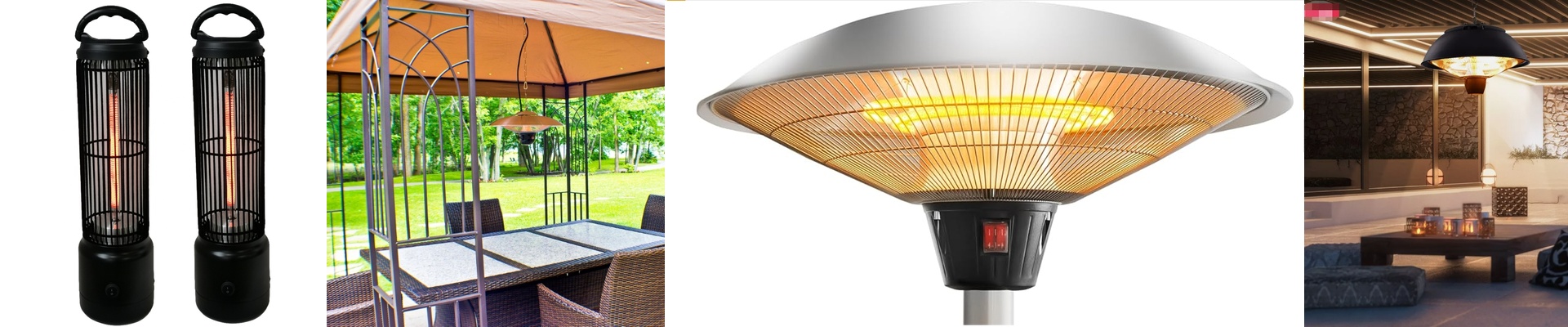


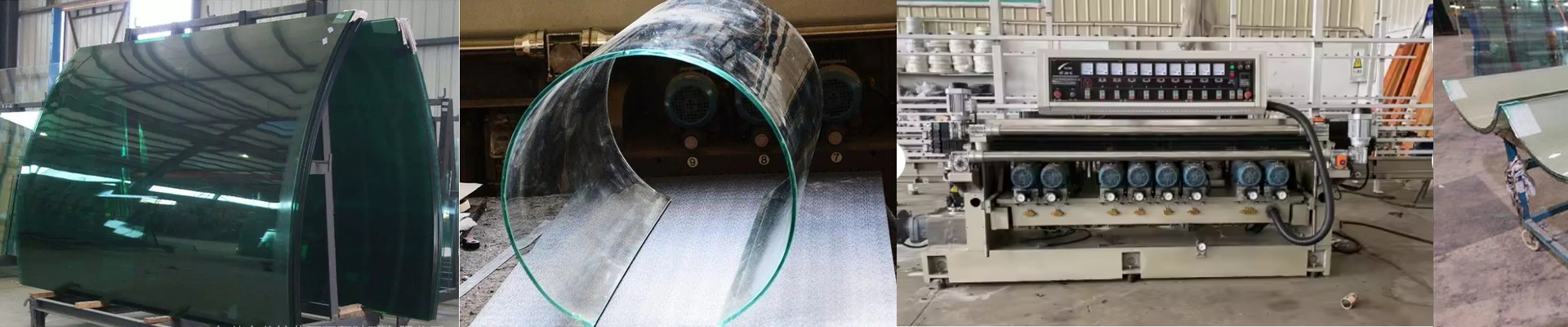


On the coating line, the mirror silvering and protective backing have to dry fast enough to keep glass moving—without trapping moisture under the film. When the drying lamp starts underperforming, you see haze, adhesion loss, and rework that eats margin. Run it too hot or uneven, and you risk thermal stress and edge cracks that don’t show up until later inspection. We built our mirror coating drying lamp for the plant floor: near-infrared (NIR) output matched to the absorption profile of mirror coatings, a stable thermal field across the glass width, and performance that holds shift after shift without drifting.
What actually matters, technically
Mirror coating drying isn’t just about temperature. It’s about putting the right energy density into the coating while keeping conduction into the substrate to a minimum—then holding that profile consistently, cycle after cycle. We use NIR emitters chosen for rapid, volumetric heating of the coating layer. Compared with broad-spectrum or long-wave infrared, NIR concentrates energy where the organic binders and reflective stacks absorb, which cuts down how long the glass body spends at elevated temperature. That matters on thin mirrors, coated low-e products, or substrates that already carry residual thermal history from earlier forming steps. The engineering targets are straightforward:
- Spectral output matched to coating absorption: The emitter spectrum is tuned so energy is absorbed primarily by the coating, not dumped into the glass as waste heat.
- Controlled power density: Rated power is selected to hit the required peak coating temperature within line speed, without overshooting into the softening range.
- Uniformity across the belt: The lamp housing uses reflector geometry and zoning to deliver a repeatable thermal profile. Uniformity is measured as temperature spread across the glass width at production speed, not as a theoretical peak.
- Fast thermal response: NIR emitters come up to operating temperature quickly, so the lamp stabilizes fast after a line stop. That reduces startup scrap and keeps the thermal budget under control.
- Mechanical integration: The unit is designed as a drop-in module—mounting centers, air/electrical clearances, and connection interfaces are defined to fit standard drying sections. The point isn’t “more heat.” It’s predictable heat where it’s needed, and less heat where it causes problems.
Why this works in real production
In mirror production, drying sits between coating application and downstream handling. If drying is slow, the line slows down. If it’s uneven, the coating cures in patches and you get optical defects. If the glass sees uncontrolled hot spots, you introduce thermal stress that can interfere with later tempering or bending, or even show up as spontaneous fracture after cutting. Our mirror coating drying lamp is built around the constraints that matter on the floor: **Cycle time without quality risk.**NIR drying speeds up solvent removal and crosslinking, shortening dwell time. That means higher throughput without raising glass bulk temperature enough to create problematic thermal gradients. Shorter drying also reduces the time the mirror sits exposed to dust and handling, which directly improves first-pass yield. **Stress control that protects downstream steps.**Because the energy is absorbed in the coating, the substrate heats more by radiation balance than by conduction. That keeps temperature distribution flatter across the sheet, which helps avoid localized expansion that can drive edge stress or bow. When the substrate is more thermally even, tempering, bending, or cutting behaves more predictably. **Energy use that behaves like a production variable.**NIR heating is directional and on-demand. It heats only when energized and delivers energy directly to the target layer. In practice, that means less wasted heat into the enclosure and less load on plant HVAC. Energy consumption drops because you’re not heating air and equipment just to make the coating dry. **Line stability that cuts scrap.**A stable thermal profile means fewer rejects from haze, poor adhesion, or uneven cure. When lamp output is repeatable, you set the drying window once and run it consistently, even across product changes. **Drop-in replacement for OEM drying modules.**The lamp is designed around standard mounting envelopes and service access. You can replace aging infrared modules without redesigning the line. Installation is a mechanical swap, then a quick thermal mapping to confirm uniformity at your chosen speed.
The things you really need to know
No drying lamp is universal. To get the performance described, you have to match the lamp to the line and the process. **Clearance and atmosphere matter.**NIR lamps need defined standoff distances for safe operation and to maintain the designed uniformity. If the glass passes too close, you risk localized overheating. If enclosure airflow is restricted, heat builds up, emitter temperature shifts, and the profile drifts. The lamp needs the same ventilation strategy the original equipment assumed. **Coating formulation sets the energy window.**Not all mirror coatings absorb the same spectrum. High solvent content, thick layers, and certain binder systems may require different power density or a slightly shifted spectral output. We size the lamp to your stated coating system and line speed, but the final parameters still come from a production trial. **Thermal mapping is part of commissioning.**Expect to run a temperature profile across the glass width at production speed. That mapping confirms uniformity, sets conveyor speed, and defines the safe operating range before full release. It’s quick, and it prevents months of quality drift. **Maintenance is simple, but it’s real.**Keep quartz windows clean and inspect terminals and cooling paths. Over time, dust buildup and thermal cycling change output. Plan a routine that fits your shift pattern—cleaning and calibration checks that take minutes, not hours. If your line is fighting slow drying, uneven cure, or energy costs that climb with output, a properly matched mirror coating drying lamp can tighten the process window. We design it to run like factory equipment because that’s what it has to do: steady output, repeatable profile, and uptime that keeps the glass moving.