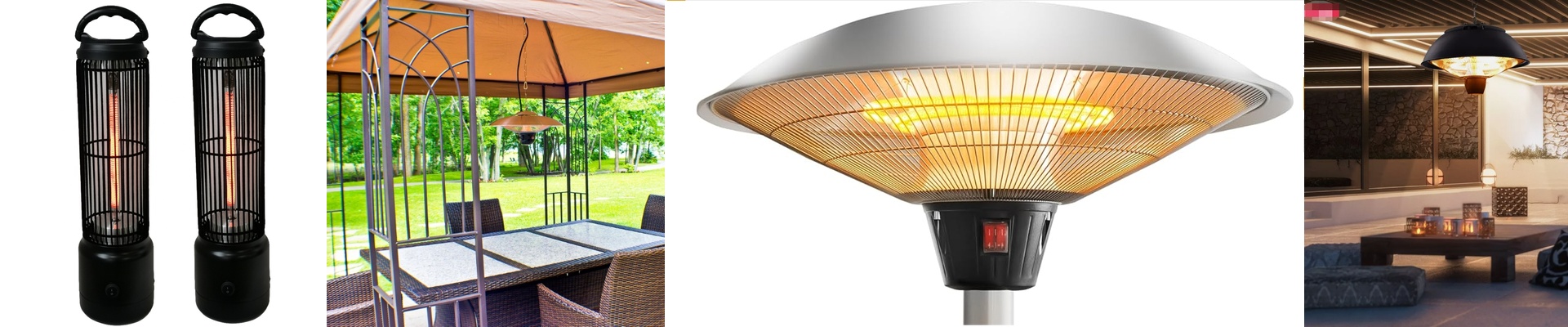
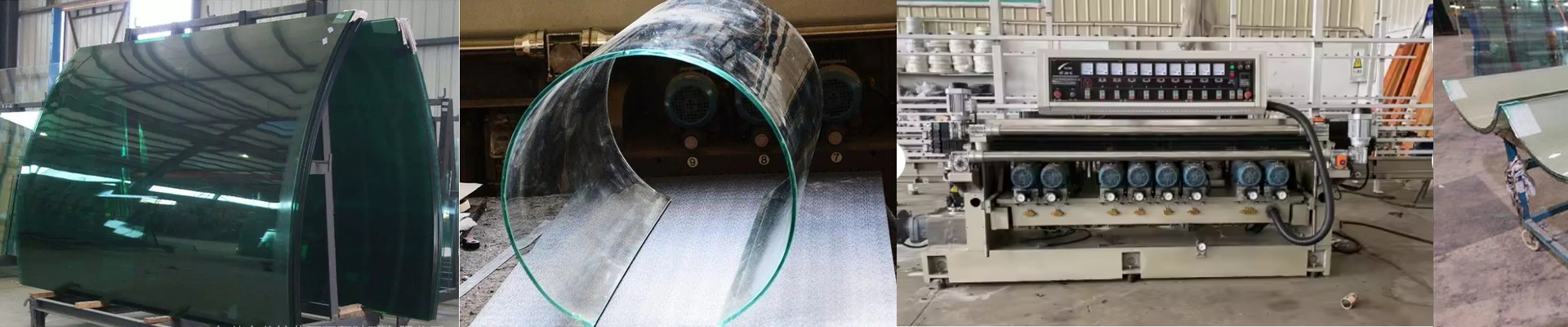


On the line, that glass screen protector heater isn’t a luxury. It’s the difference between making good glass and paying for scrap. When the thermal profile wanders, you see uneven tempering, edge cracks, or bending that just misses. That’s glass lost, time bled away, and margin disappearing. We build these heaters to keep the heat where it counts, with control you can count on shift after shift. What matters, technically We don’t chase a label—we match the chemistry of the process. For screen protectors, stable radiant heat and tight temperature uniformity cut down thermal stress during tempering and bending. Quartz elements give you fast response and high emissivity, with power matched to your line speed and glass thickness. The specs are straight off the floor: 230–460 V, a compact footprint, and standardized mounting so the unit drops into what you already have. The control holds the soak steady, so annealing and stress relief happen on schedule, without overshoot that can push in bow or optical distortion. Why this works in real production In glass processing, the heater has to support the whole thermal chain—preheat, forming, quench—without creating hot spots that drive uneven expansion. The payoff is fewer rejects from fracture and warp, quicker changeovers, and throughput that doesn’t yo-yo. Energy use comes down because the heat is delivered when it’s needed, not wasted heating up parasitic mass. The glass behaves predictably, whether you’re running 2.5D covers or tight 3D bends. Here’s what to watch for Installation is straightforward, but alignment is not optional. A mis-mounted heater creates uneven temperature and can shift the annealing point, which hits strength and optical quality. Match the heater to the glass emissivity and the machine’s clearances. Expect shorter element life in high-moisture or high-cycle environments—keep spares on the shelf and check temperature uniformity weekly. Stay within the rated power density, and you’ll get stable performance without chasing drift from one shift to the next.
라인에서 그 유리 스크린 프로텍터 히터는 사치품이 아니다. 좋은 유리를 만드는 것과 불량품 비용을 지불하는 것의 차이다. 열 프로파일이 벗어나면 불균일한 템퍼링, 모서리 균열, 또는 살짝 벗어난 굽힘이 발생한다. 이는 유리 손실, 시간 낭비, 그리고 마진 감소를 의미한다. 우리는 열이 필요한 곳에 유지되도록 설계된 히터를 제작하며, 교대 근무마다 신뢰할 수 있는 제어를 제공한다. 기술적으로 중요한 점 우리는 단순히 라벨을 따르지 않고 공정의 화학적 특성에 맞춘다. 스크린 프로텍터의 경우, 안정적인 복사열과 엄격한 온도 균일성이 템퍼링과 굽힘 과정 중 열응력을 줄여준다. 쿼츠 요소는 빠른 응답성과 높은 방사율을 제공하며, 라인 속도와 유리 두께에 맞춘 전력을 갖춘다. 사양은 현장 표준 그대로이며: 230–460 V, 컴팩트한 크기, 그리고 기존 설비에 바로 장착 가능한 표준화된 마운팅을 갖춘다. 제어는 일정한 소킹 상태를 유지해 어닐링과 응력 완화가 일정하게 진행되도록 하며, 과도한 가열로 인한 휨이나 광학 왜곡을 방지한다. 실제 생산에서의 작동 원리 유리 가공에서는 히터가 전체 열 공정—예열, 성형, 급냉—을 지원해야 하며, 불균일한 팽창을 유발하는 과열 지점을 만들어서는 안 된다. 그 결과 균열 및 뒤틀림으로 인한 불량률이 감소하고, 교체 시간이 단축되며, 생산량이 안정적으로 유지된다. 필요할 때만 열을 공급하여 불필요하게 주변 질량을 가열하는 에너지 낭비가 줄어든다. 2.5D 커버든 좁은 3D 굽힘이든 유리는 예측 가능한 거동을 보인다. 주의할 점 설치는 간단하지만 정렬은 필수 사항이다. 히터가 잘못 장착되면 온도가 불균일해지고 어닐링 포인트가 변할 수 있으며, 이는 강도와 광학 품질에 영향을 준다. 히터를 유리의 방사율과 기계의 간극에 맞춰야 한다. 습도가 높거나 사이클이 잦은 환경에서는 요소 수명이 짧아질 수 있으므로 예비 부품을 보유하고 주간으로 온도 균일성을 점검해야 한다. 정격 전력 밀도 내에서 운전하면 교대 근무 간 편차 없이 안정적인 성능을 유지할 수 있다.