


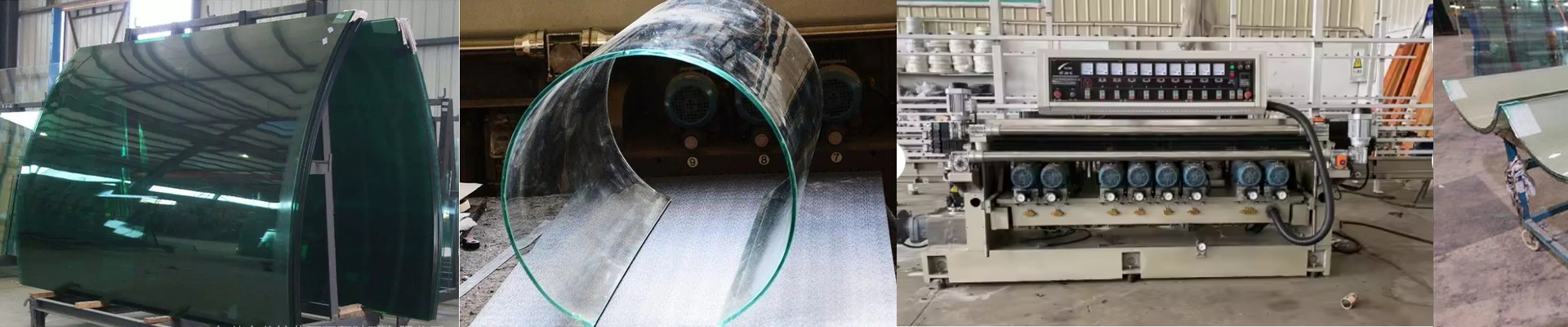
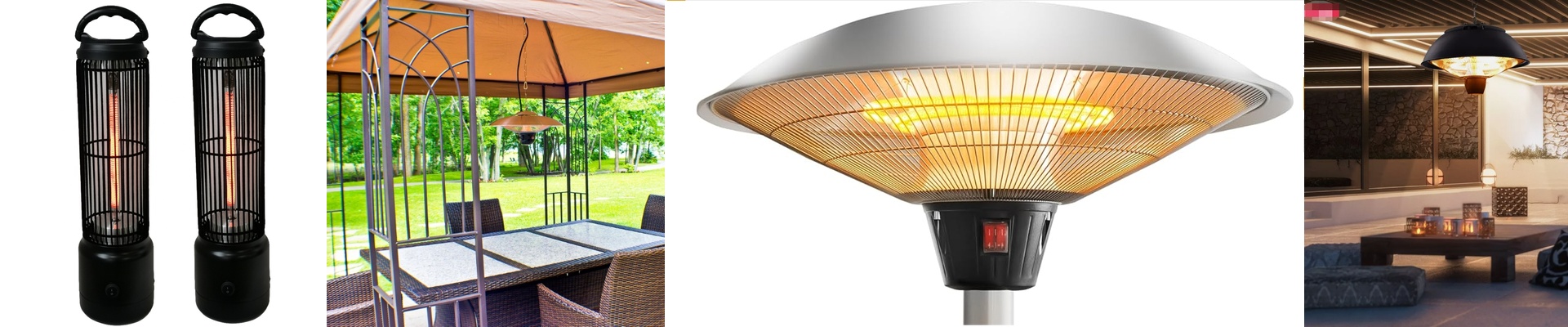

Out on the line, the marver heating step is where the glass commits to its shape—and where a tiny temperature drift turns into scrap. Drop the lamp output, let the thermal profile wander, and you’ll see uneven bending, edge waves in tempered glass, and cure cycles that drag on and bottleneck throughput. We set up this marver heating lamp to keep the heat exactly where it needs to be: on the glass, in the right zone, on the cycle. What’s actually different under the hood The lamp leans on short-wave NIR quartz emitters to dump energy straight into the glass surface, with minimal convection heating of everything around it. That gives you faster ramp-up and tighter control of the marver zone—exactly what you need for repeatable sag and consistent bend geometry. It’s tuned for industrial work: stable spectral density and repeatable power delivery that hold setpoint in a narrow band. The quartz envelope takes thermal shock, and it stays stable when the machine is cycling hard, day after day. And the package is compact enough to drop into standard marver blocks without reworking the line. Why this matters where you live In tempering, the marver lamp controls the edge temperature that sets flatness and stress distribution. Tighter control means less optical distortion and fewer breaks from thermal shock. In bending, you get localized heat to form complex contours without scorching adjacent areas. For coating drying, the focused NIR clears solvents quickly while keeping substrate heating in check—so coated surfaces don’t get punished. In lamination and insulating glass sealing, it brings the stack up to process temperature fast, cutting dwell time and improving edge seal integrity. The payoff is fewer rejects, faster changeovers, and lower energy draw per finished panel. What you need to watch on install and daily run Installation is straightforward, but alignment to the marver contact line is non-negotiable. If it’s off, heating goes uneven and the process starts to drift. The emitters run hot at the surface, so make sure shielding and airflow match your guarding and safety practices. It drops into standard fixtures, but if your line runs high-emissivity coated glass, verify setpoint with a pyrometer—emissivity changes how much energy the glass actually absorbs. Expect emitter life in the thousands of hours, and keep up with routine output checks so the thermal profile stays consistent.