
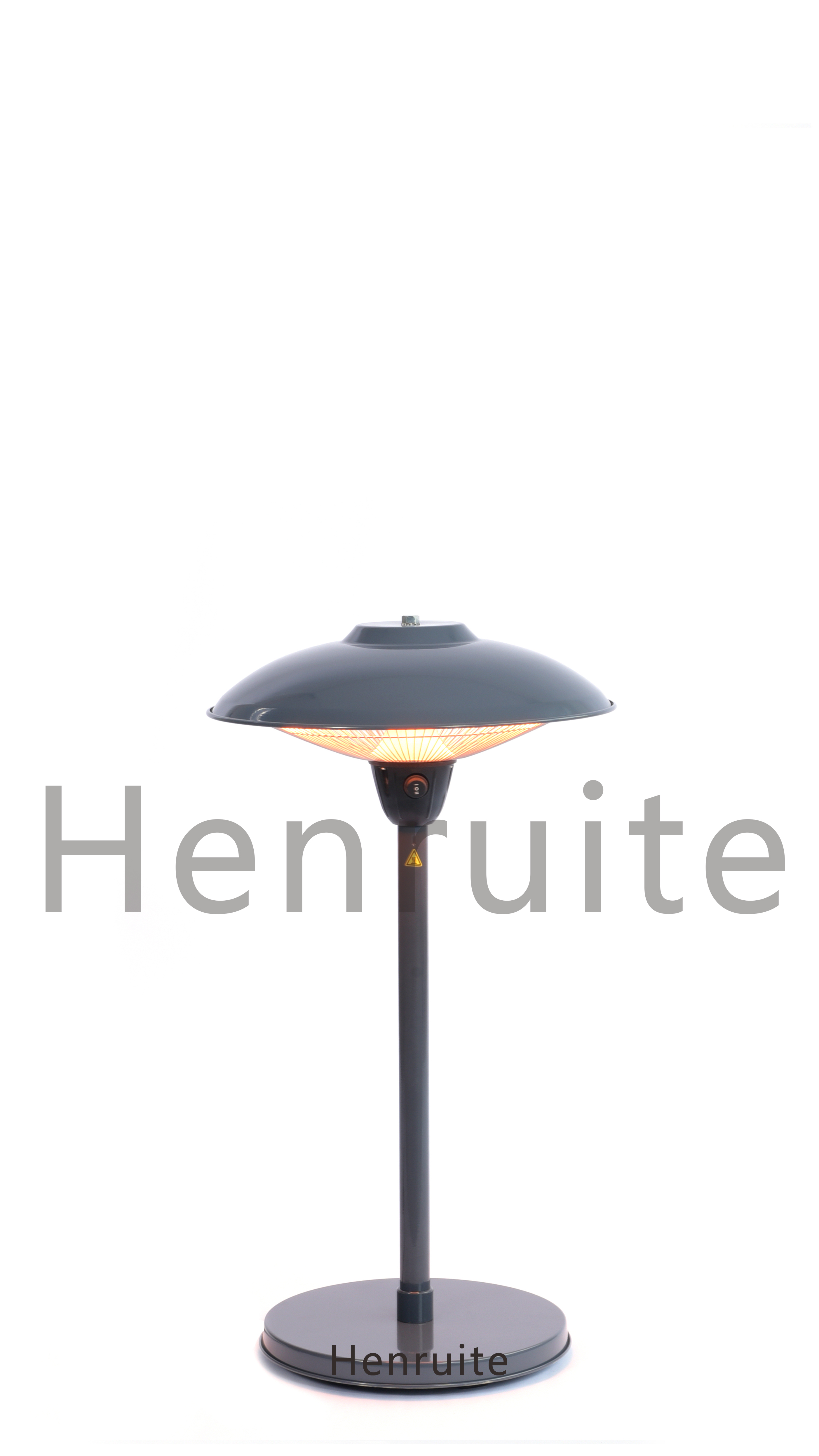
Keeping Your Bathroom Infrared Heaters Safe (And Dry)
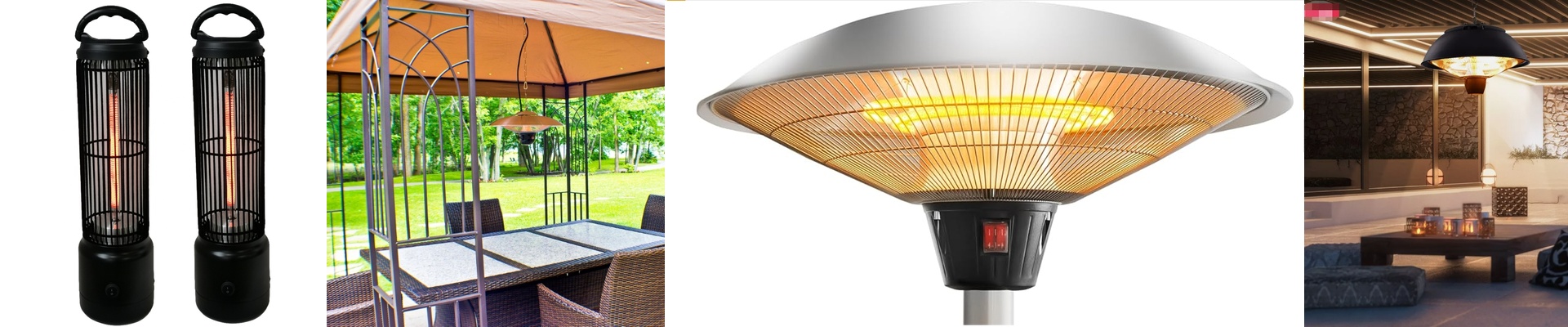
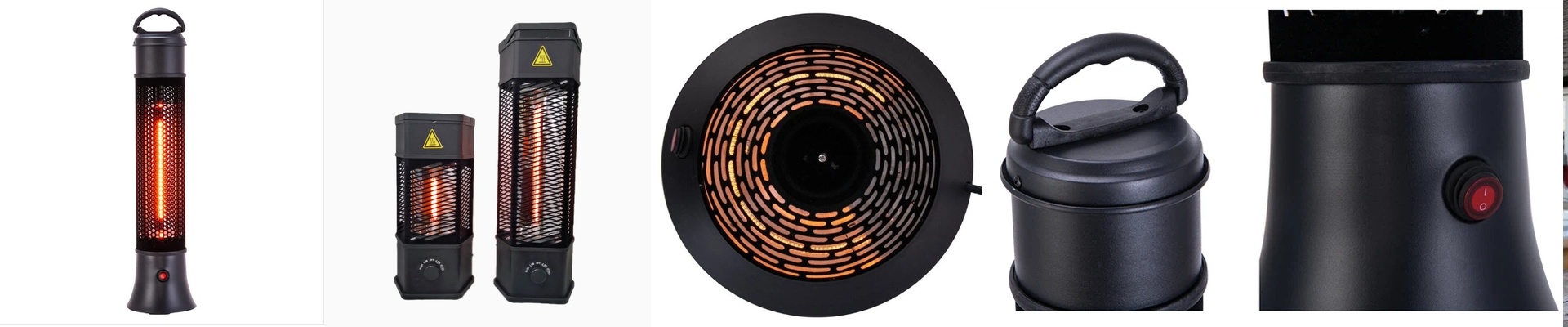
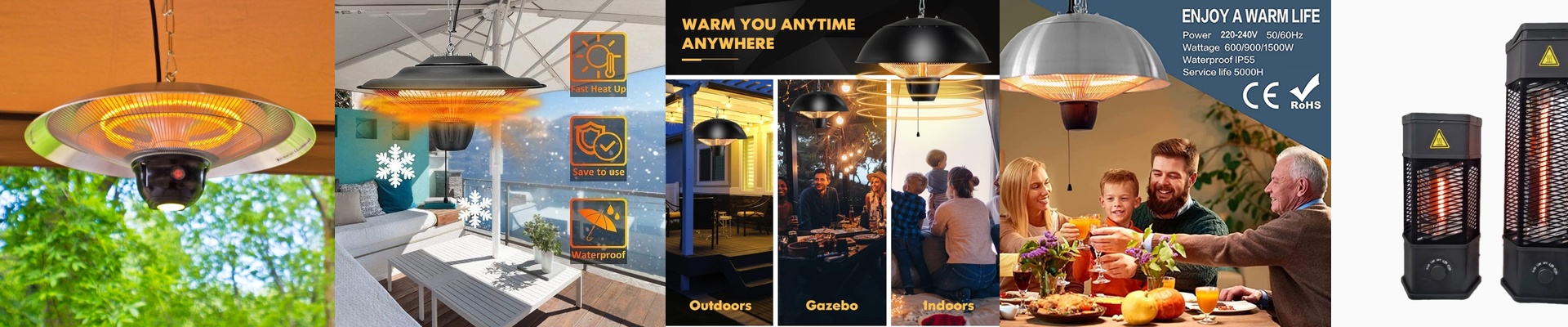
Putting infrared lamps in a bathroom is basically a battle against steam. When you’ve got high voltage and water vapor hanging around in the same room, current leakage isn’t just a technical glitch—it’s a serious safety risk. Getting an IP66 rating isn’t about just throwing a plastic cover over a bulb. We actually have to rethink the whole electrical path to make sure everything stays completely insulated. Dealing with the moisture An IP66 rating means the unit can handle high-pressure water jets. In the real world, that means it won’t freak out when it gets splashed or drenched in heavy condensation. We use high-temp silicone gaskets and sealed cable glands to keep the moisture away from the terminal block. Here’s the thing: if steam sneaks into the housing, it creates a bridge for electricity to jump from the live wire to the chassis. To stop that, we use epoxy-potted connections. It’s basically like sealing the contacts in a waterproof block so the water has nowhere to go. The safety layers We use double-insulated cabling here. Think of it as a backup plan. If the outer jacket gets nicked or worn down during installation, you’ve still got that second layer protecting you. And the chassis? It has to be bonded to a dedicated earth ground. That way, if something does go wrong, the breaker trips instantly. It’s much better for the power to cut out than for the heater frame to become live. The trade-offs you should know about Tight seals are great for safety, but they aren’t great for airflow. Because the IP66 housing is so sealed up, the internals run hotter than they would in an open-air setup. You’ll want to make sure whatever surface you’re mounting it to can handle that heat, otherwise, you’re just cooking your own wiring and shortening the life of the unit. One last tip:**don’t over-tighten those glands.**If you crush the seal too hard, you can actually create a gap where water leaks in. Just get it snug, follow the dielectric strength specs to avoid any arcing in the humidity, and you’re good to go.