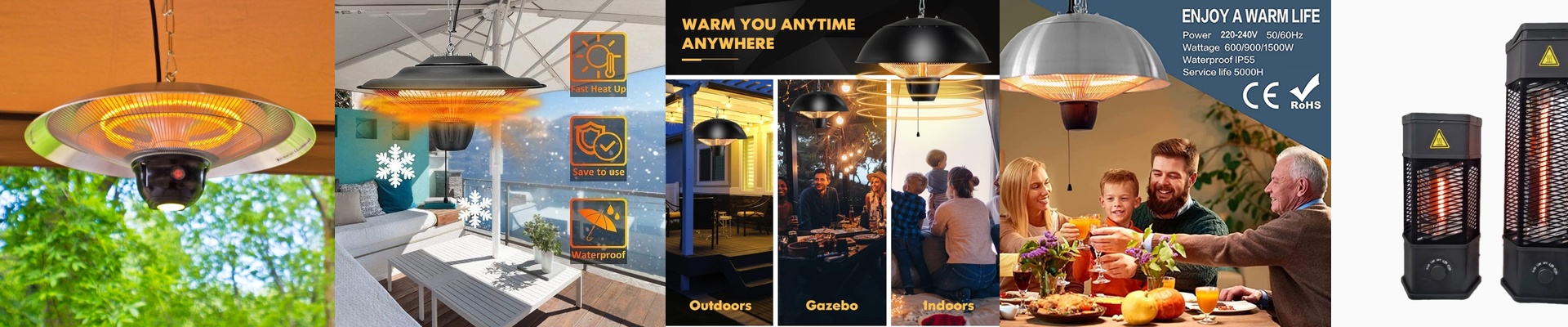
Stop the Shorts: Why Your High-Ceiling Heaters Keep Dying
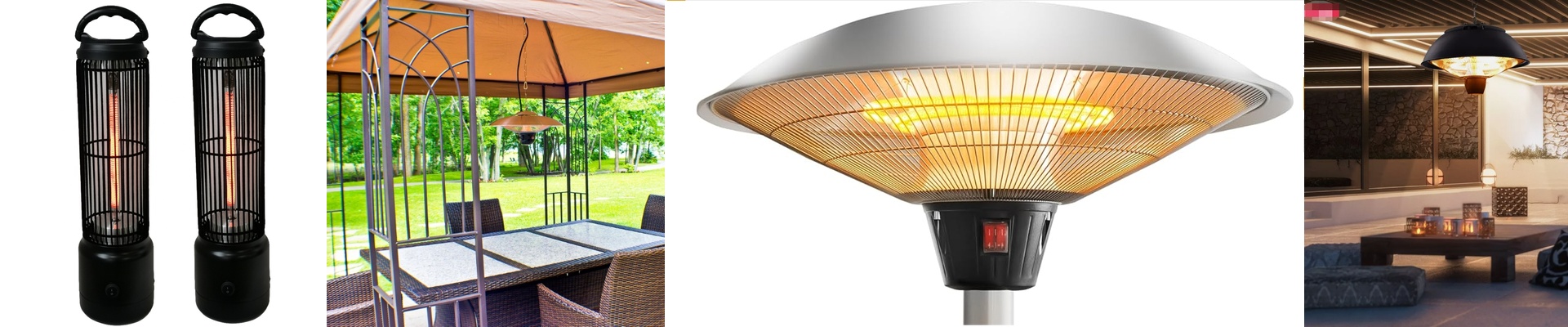
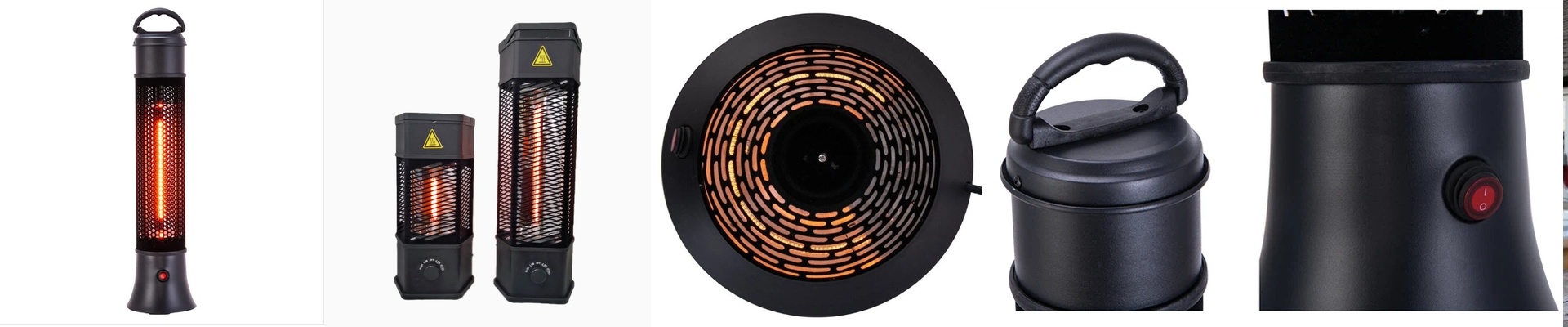
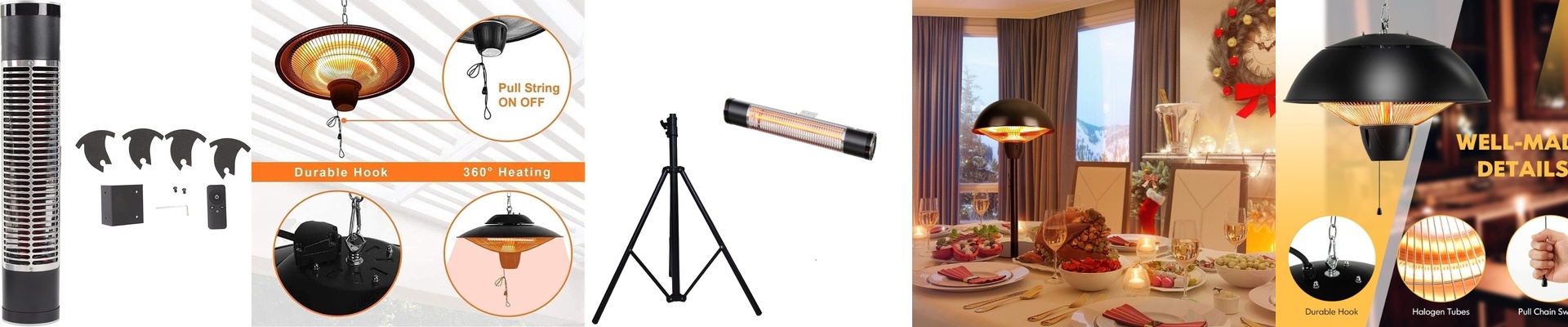
If you’ve ever had to climb a ladder to replace a quartz tube in a factory heater, you know exactly where the trouble starts. It’s almost always that one spot: where the electrical wire meets the glass tube. We see it all the time. The insulation gets charred, it starts to crack, and then—pop—it shorts out. It’s frustrating because the heating element itself is usually fine. The real culprit is a sloppy seal. The Heat Problem Infrared heaters put out a massive amount of localized heat. When these are hanging from a high ceiling, the wires go through a brutal cycle of heating up and cooling down, over and over. Most assembly-line heaters use cheap glue or low-grade silicone. That stuff just can’t take the soak. It oxidizes and shrinks. Once that seal opens up, dust and moisture sneak inside. That’s when you get an arc-flash or a heater that just refuses to turn on. Doing it the Right Way We decided to stop playing that game. Instead of just slapping on a bead of glue, we use a multi-stage compression seal made with ceramic-infused polymers. Think of it as a gas-tight vault. It keeps the halogen gas inside the tube where it belongs and keeps the grime out of your live terminals. The big difference is the bond. Cheap seals just peel away when things get hot. Ours actually fuses to the quartz sleeve. Even when the tube is screaming hot, the wiring stays rock solid. One Small Catch There is a trade-off, though. Because this seal is so tough, it’s a bit stiff. You can’t just bend these wires at a sharp angle during install. If you force a tight kink right next to the seal, you might actually stress the quartz tube. Just leave some slack in your wiring harness. Give the wires some room to breathe, get your bend radius right, and you won’t have to worry about the heat eating your connections.