Stop Tearing Apart Your Heaters Just to Fix One Tube
Most industrial infrared heaters are basically big, sealed metal boxes. Which is great—until a heating element burns out after five years of hard work. Then you’re stuck. You either throw away the whole chassis or spend your entire afternoon cursing at a housing unit while you try to reach one single tube. It’s a nightmare. So, we decided to fix it.
A Better Way to Build Things
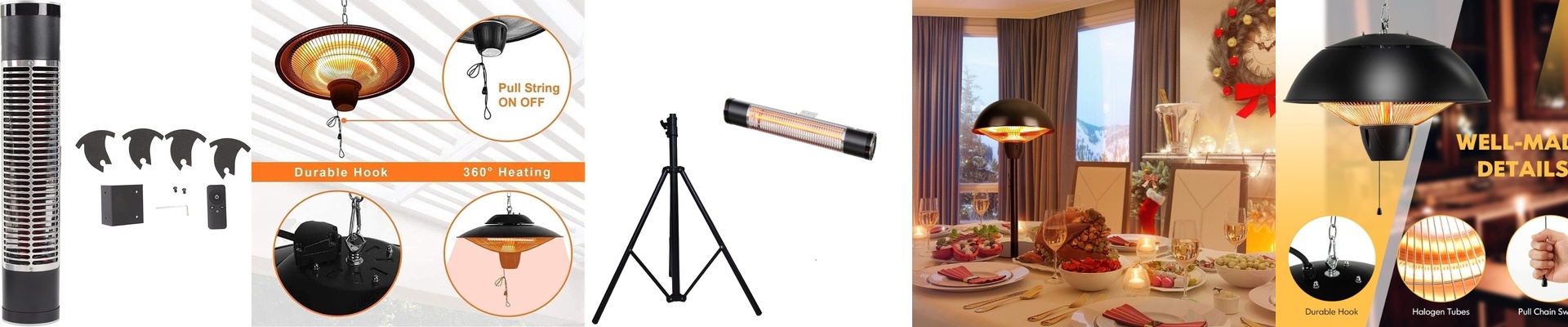
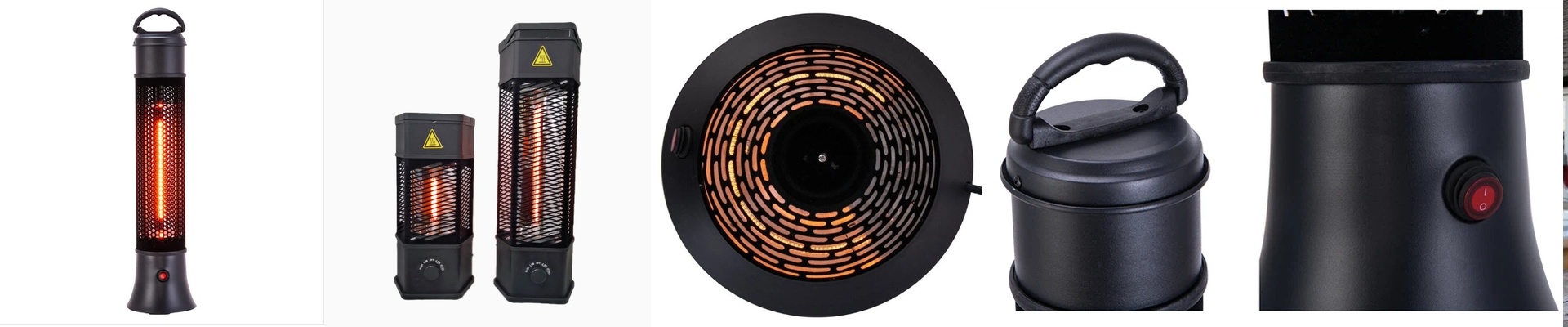
We looked at heating elements for what they actually are: parts that eventually wear out. They aren’t permanent. That’s why we went with a plug-and-play layout. We kept the heating tubes separate from the main frame. Now, you don’t have to strip the whole machine down to the bolts just to swap a lamp. You just unplug the lead, slide out the dead module, and drop in a fresh one. **It takes about fifteen minutes.**Compare that to a few hours of downtime, and you’ll see why we did it.
The Catch (Because There’s Always One)
Now, making things “quick-swap” means everything has to line up perfectly. We use rigid alignment guides to make sure the heat stays consistent. But here’s the thing: if you let the system overheat way past its limits, those guides can warp. If they bend, the module won’t seat right. Just keep your airflow where it’s supposed to be, and you won’t have any issues.
Keeping Things Running Long-Term
Let’s be real. After five years of constant heat, oxidation and fatigue are going to happen. You can’t stop it. But with a modular setup, you don’t have to kill your entire production line just to do some upkeep. You can just swap out the tubes in the high-stress zones while everything else keeps humming along. Plus, we use standard connectors. No hunting for weird, proprietary parts that only we sell. Just wire it up, check the continuity, and get back to work. It turns a “broken machine” crisis into a quick, scheduled swap. Simple.