
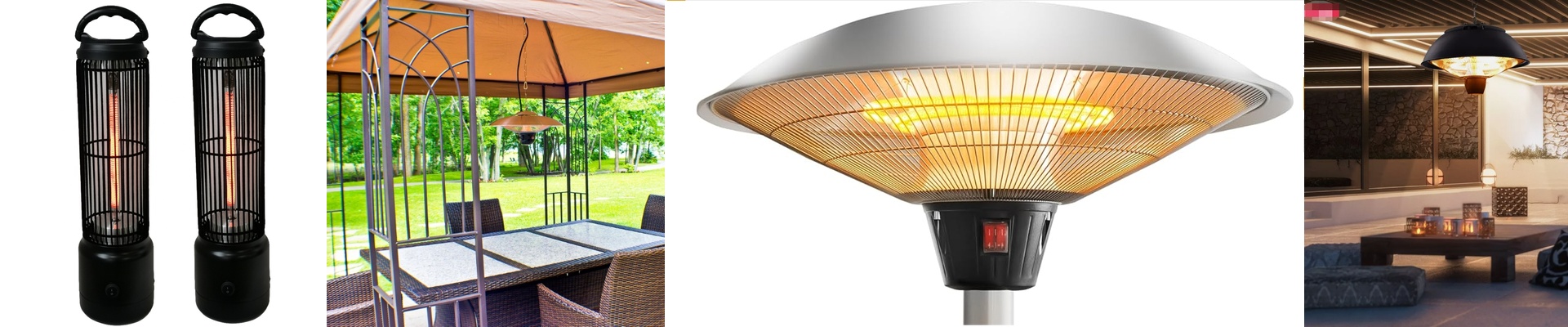
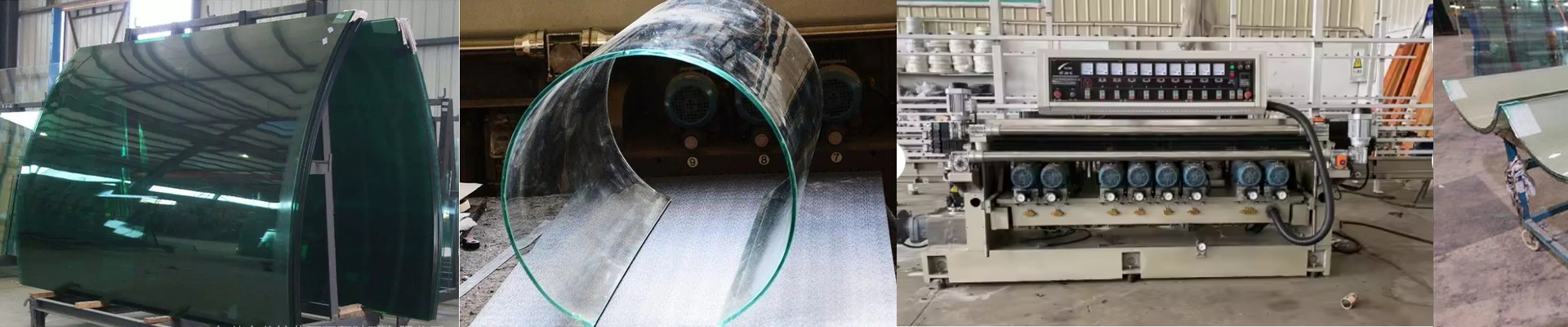


On a high-speed bending line, heat isn’t just a setting—it is the process. When the tablet glass bending heater can’t keep up, you get uneven sag, edge waves, and thermal stress that shows up later as breakage. That costs you glass, time, and it chips away at operator confidence. What matters, technically We spec short-wave quartz elements because they respond fast and pack high power density without leaning on heavy convection. That gives you a tight thermal field across the glass width, which is exactly what you need when you’re forming tight radii on thin tablet glass. Output is sized for industrial duty cycles, with voltage and wattage matched to the bending furnace footprint so heat comes back fast after each load change. The heater body is built for repeatable mounting and consistent gap control, and the terminal layout keeps connections clean and safe in a crowded machine bay. Why this works on the line In tablet glass bending, the window between under-bend and over-bend is razor thin. The heater brings the glass to target temperature faster, so you can shorten the bending cycle without losing shape repeatability. Better temperature uniformity across the glass cuts local hot spots, which lowers the risk of optical distortion and edge cracking. Energy use drops because the heater recovers quickly and holds setpoint with minimal overshoot. In production terms, that means more parts per hour, fewer heat-profile rejects, and less downtime chasing drift. Here are the things to keep straight Installation is straightforward, but performance hinges on furnace seals, insulation condition, and reflector geometry. Match the heater to the existing mounting interface and verify the control strategy—PID tuning and emissivity differences across glass coatings can push the actual surface temperature off the setpoint. Treat the quartz elements as a consumable; keep spares on hand so you can swap fast and keep the line moving.