
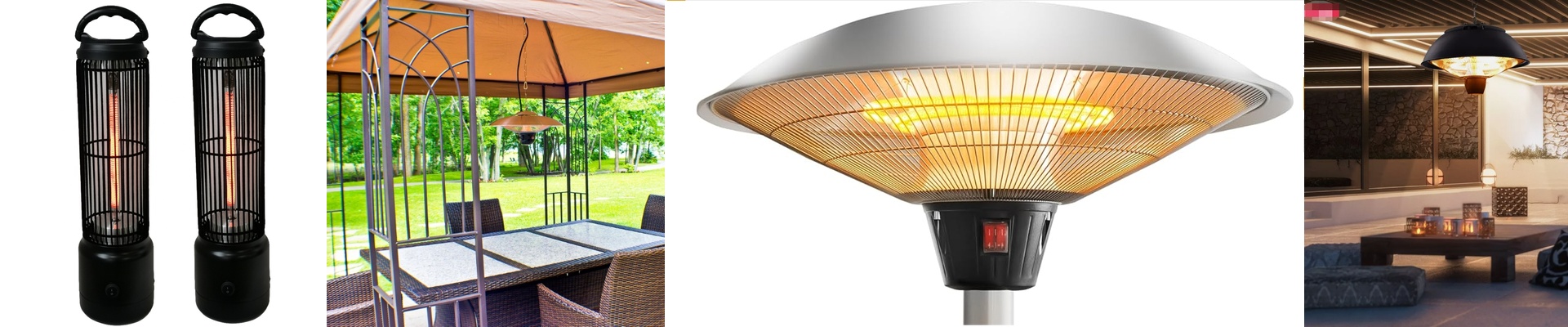


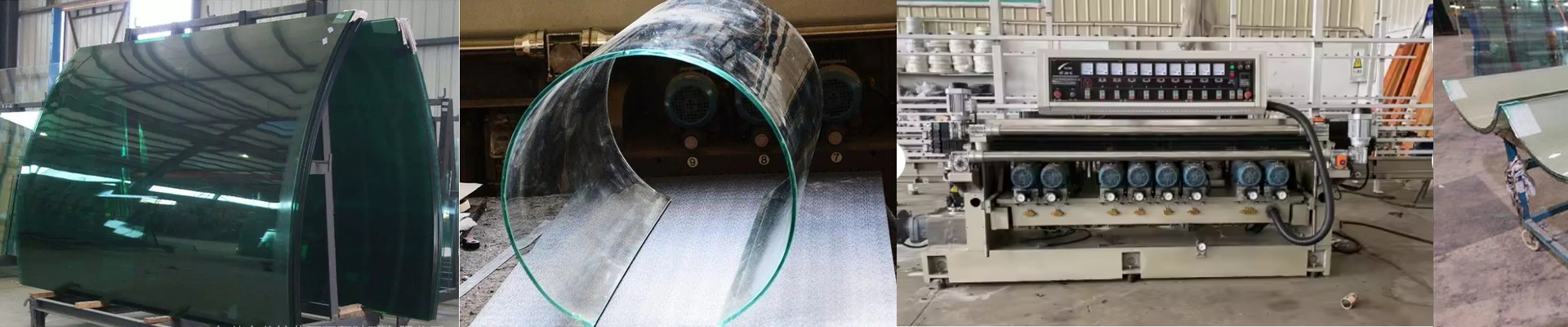

Out on the glass line, the lamp section is where thermal control has to be spot-on. One hot spot, one uneven temperature band, and you’re staring at tempered glass that fractures, bending profiles that drift, or coatings that ripple. That means scrap, rework, and downtime you can’t afford. We built the heat-resistant wire for lamps to hold a steady, even heat field—so glass stress stays where it should: under control. Here’s what’s actually doing the work. The heating element is quartz-based, with an emissivity profile that’s held tight. That’s what gives you consistent radiation across the target area. The wire geometry is laid out to spread heat laterally, so you don’t get the steep gradients that drive thermal stress. It’s rated for continuous high-temperature operation, and it holds output stability over long runs. Dimensions and terminations match common lamp fixtures and OEM mounting patterns, so the module drops straight into existing equipment without a redesign. In lamp manufacturing, uniform heating matters because it keeps local expansion from spiking—the kind that cracks glass during tempering and bending. When the heat is even, optical clarity is predictable, warp-related rejects drop, and cycle times stay steady. Energy use stays reasonable, too. The element comes up fast and holds setpoint without overshoot. In coating drying and annealing zones, that stable profile cuts down recirculation and hot spots. The payoff is film quality you can count on, and less scrap. A couple of practical notes. Check clearances and terminal compatibility before you install—quartz elements are tough, but they need proper mounting so mechanical stress doesn’t creep in. On very high-power configurations, expect a bit longer warm-up to hit full uniformity. Set your ramp rates to match the line speed. And keep an eye on the connections. Inspect periodically for thermal fatigue, especially where vibration is constant.