


Stop Losing Money on Your Patio This Winter
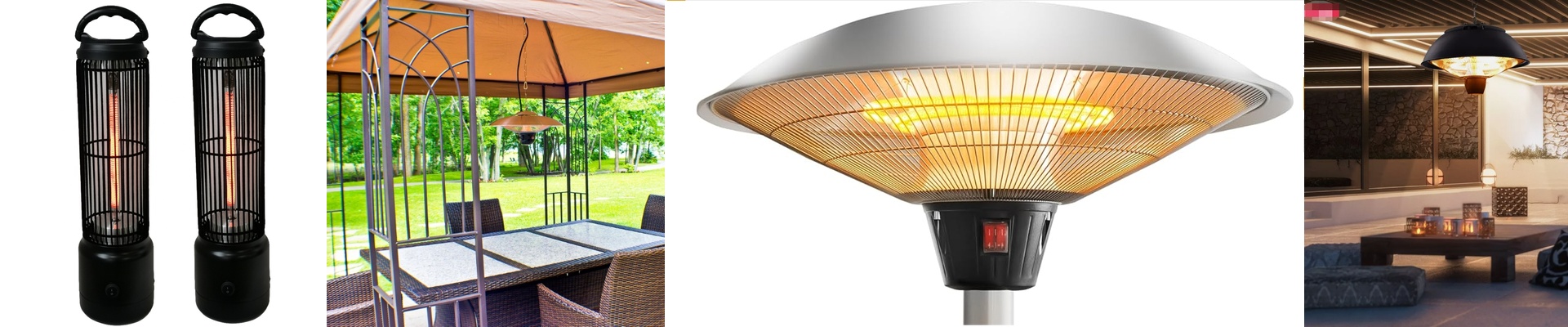
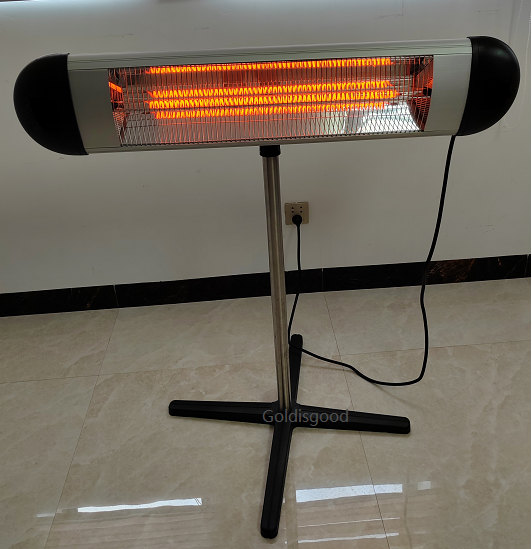
Let’s be honest: most outdoor heaters are a waste of electricity. You turn them on, they try to warm up the air, and then a single breeze comes along and blows all that heat right off your patio. It’s frustrating, and it’s costing you money because nobody wants to sit in a wind tunnel. That’s where shortwave infrared comes in. Instead of fighting the wind, these radiators heat things—not air. They beam heat directly onto your guests, the chairs, and the floor. It feels like standing in the sun on a crisp October day. The air around them might be freezing, but they feel warm the second they sit down. Speed is everything here. Traditional coils take forever to get going. But infrared lamps hit their peak temperature in seconds. When a guest feels that immediate warmth, they relax. They stay for another drink. They order dessert. It’s a simple shift, but it keeps your tables turning and your revenue up. But you can’t just slap these on a ceiling and hope for the best. If you hang them too high, the heat disappears before it hits the table. Too low? Your guests will have toasted heads and frozen toes. I always suggest a staggered grid. It’s the best way to make sure there aren’t any “cold pockets” where people are shivering while the person next to them is sweating. The gear you’ll actually need We stick with quartz glass tubes and halogen gas. Why? Because they put out way more heat than those standard carbon heaters. Plus, the housing is reinforced. These things take a beating from humidity and wind, so they need to be tough. One quick warning on the electrical side:don’t just plug these into a standard outlet. These arrays pull a lot of power. If you overload a single phase, you’re going to trip your breakers in the middle of a dinner rush. You’ll want a dedicated circuit and a balanced electrical panel to keep everything running smooth. A final reality check Look, infrared isn’t a magic bubble. It creates a “heat zone.” If a guest moves a few feet outside that beam, they’re back in the cold. Don’t guess where the heat goes. Actually measure the “throw” of the lamp and place your tables exactly where the heat lands. Map your seating to the radiators, not the other way around. That’s how you actually maximize your space.