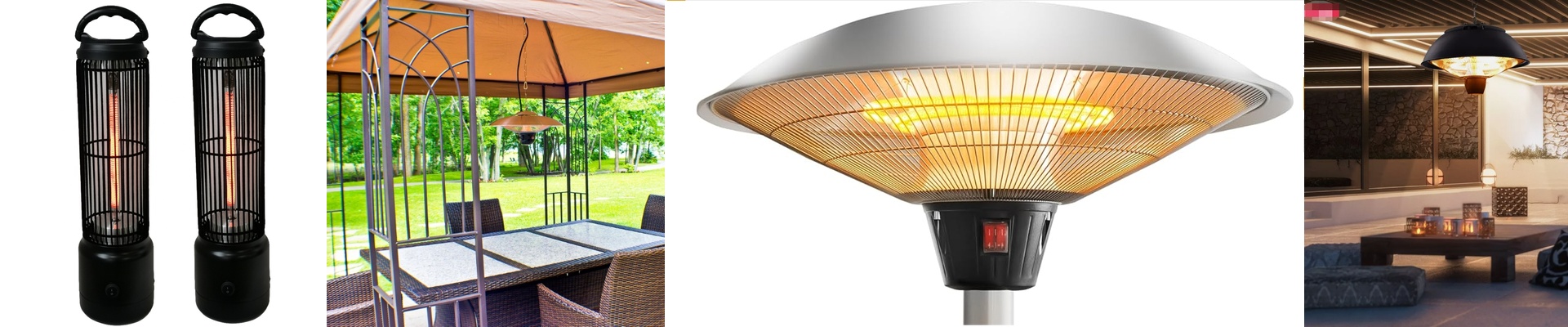


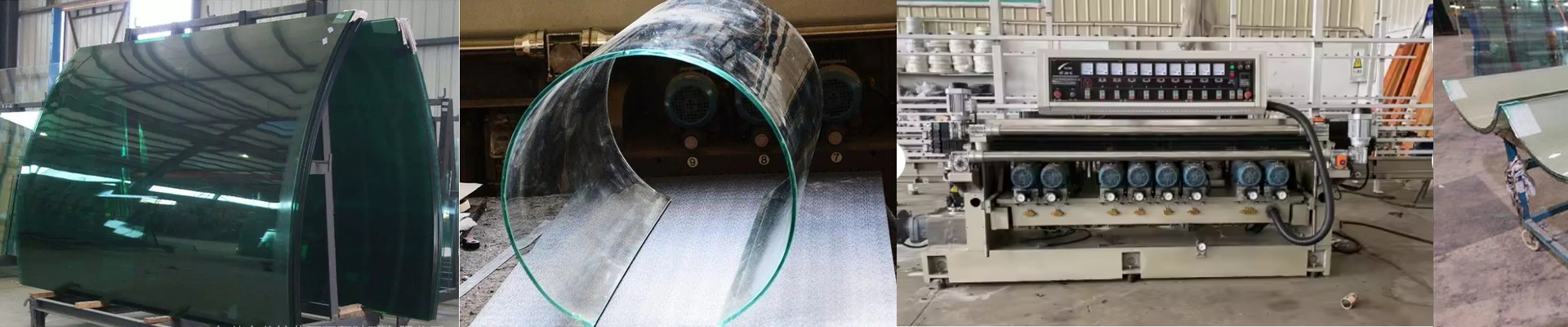

On the line, glass doesn’t wait—heat does. Tempering, bending, lamination—whatever the step, the heating stage sets both the pace and the quality. If the thermal field drifts, you’ll see stress marks, roller wave, or optical distortion. If the response lags, the whole line gets bogged down. We built high power density IR heaters to keep the furnace profile stable, repeatable, and fast. The heart of it is short-wave quartz emitters, tuned to how glass absorbs energy. Peak output hits 200–400 kW/m², with sub-second rise time and tight control right at the glass surface. That fast response shortens dwell in bending and tempering, and in lamination it holds the set curve without overshoot. The heater body is compact, with standard mounting centers, so it drops straight into existing frames. Integrated thermocouples and clean terminations keep the control loop straightforward, whether your PLC runs PID or model-based profiles. Here is the thing—this matters on the factory floor. In tempering, uniform heat across the sheet cuts thermal stress fractures and keeps optical quality consistent, even at high throughput. In EVA and PVB lamination, the rapid, even heat drives out entrapments and shortens cycle time without scorching the edges. For coatings and insulating glass sealing, localized IR energy dries and cures with minimal convection, which trims gas use and lowers the energy bill. The payoff is fewer rejects, steadier yield, and predictable uptime. Installation is straightforward, but plan for the details. Clearance to the product path matters—avoid shadowing. Keep the emitter array parallel to the glass to maintain uniformity, and make sure your control can handle the fast ramp rates. Expect a short warm-up to stabilize emissivity and temperature. Pair the heater with compatible reflectors and insulation, and schedule periodic checks on connections and thermal expansion. Do that, and the unit runs shift after shift with predictable output and minimal maintenance.