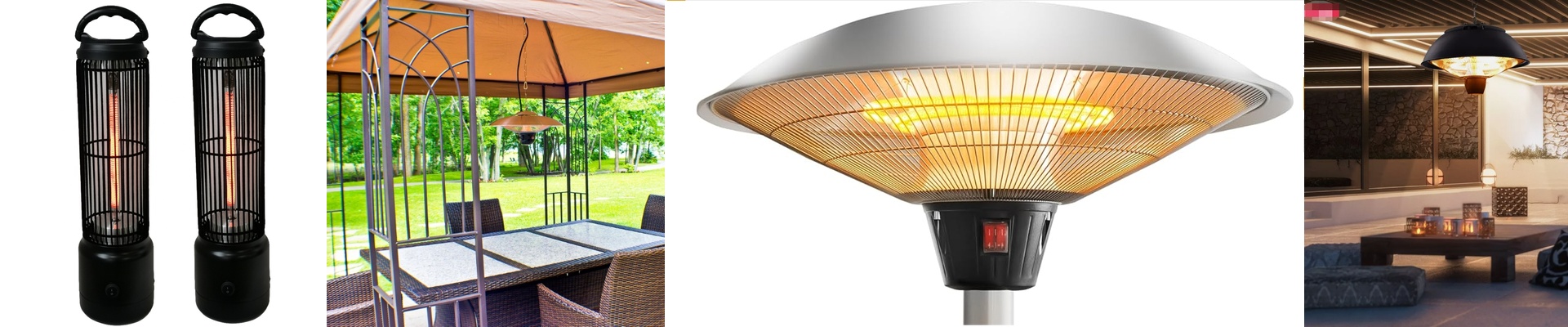




Making Your High-Ceiling Heaters Actually Last
If you’ve ever put infrared heaters in a warehouse or a loading bay, you know the struggle. You hang them up, everything looks great, and then—boom. A couple of years in, they start dying. Usually, it’s because of two things: moisture in the air and the occasional accidental splash. Most standard heaters just aren’t built for it. Condensation settles on the electrical parts or water leaks into the housing, and before you know it, you’ve got a short circuit or a burnt-out filament. It’s a pain.
Dealing with the damp
We handle this by focusing on the seals. Now, when people hear “anti-fog,” they usually think of some fancy spray-on coating. That’s not what we do. It’s more about how we manage the heat. We use sealed gaskets and materials that naturally push water away from the lens. This keeps that annoying film of condensation from forming over the heating element. Here’s why that matters: if water droplets sit on the quartz tube, they create “cold spots.” The glass expands and contracts unevenly because of those spots, and then it just cracks. Not ideal. As for the splashes? We keep the wiring junctions locked down. By using sealed cable glands and enclosed boxes, we make sure water stays on the outside and doesn’t migrate into the electrical core.
The catch (because there’s always one)
These protections do come with a small trade-off. When you seal things up tight, the air doesn’t move around the housing as easily. You’ve got to make sure your mounting brackets leave a bit of breathing room. If you jam these units too tightly into a recessed ceiling, the heat gets trapped. You end up with “heat soak,” which basically cancels out the benefits of the protective casing. Give them some space to breathe.
Why it’s worth it
The real win here is the reflectors. When moisture gets in, the reflectors corrode. It happens slowly, but it kills your heat throw by 20% to 30%. You’re paying for power, but you aren’t feeling the warmth. Keeping the insides dry means your heater actually puts out the same amount of heat in year five as it did on day one. Plus, it means you aren’t spending your weekends on a scissor lift replacing dead units. You can just get back to running your business.