
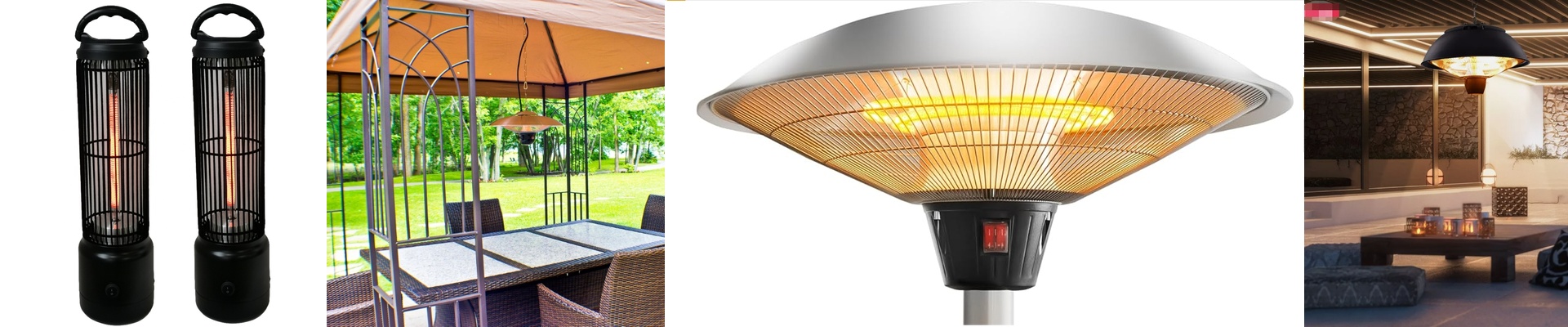


On a cold evening, the air just sits there—stubborn and still—right when you want everyone to settle in, not pile on blankets. Conventional heaters try to warm the air first. That takes time, and you end up with drafts. Infrared space heaters take a different approach. They throw warmth outward in a focused beam, delivering radiant heat that lands directly on people and surfaces.
What matters under the hood
Infrared heaters use an element—typically a quartz tube or a carbon fiber panel—that heats up and emits long-wave infrared energy. That energy travels in a straight line and gets absorbed by the body, a lot like sunlight warming your skin on a cool day. The payoff is immediate: you feel the heat without waiting for the whole room to “fill up.” Most models run quietly, with no fan to kick up dust, and you can pair them with a thermostat for steady comfort. For safety, look for tip-over protection and an overheat cut-off. If the unit will live in a damp or exposed spot, make sure the IP rating is appropriate for the space.
Why this approach works where you need it
comfort comes down to how heat actually reaches the body. Infrared warmth penetrates superficially, helping muscles relax and supporting better blood flow. Families often notice hands and feet warming faster, and less shivering as the core temperature settles. Because the heat is directional, you can put the heater where people actually gather—near a sofa, under a dining table, or beside a workbench—and get cozy without heating the entire house.
The practical stuff you’ll want to get right
Infrared heat does its best work when it has a clear line of sight to the people who need it. Walls, curtains, and furniture can throw shadows and cut into the warmth you feel, so placement matters. And remember: radiant heaters warm what they touch, not the air. In a drafty room, you can still feel cooler away from the beam. For the best results, match the wattage to the area and keep the heater on a stable, level surface.