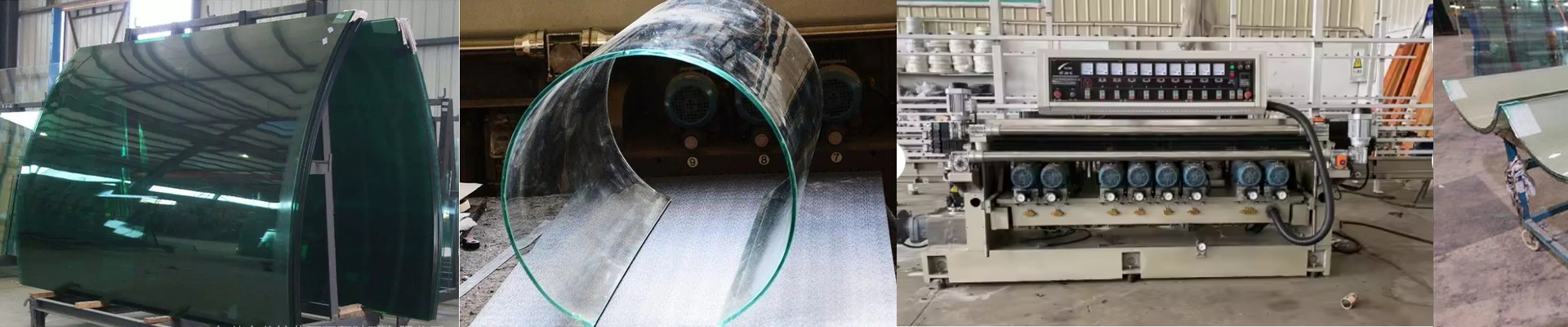
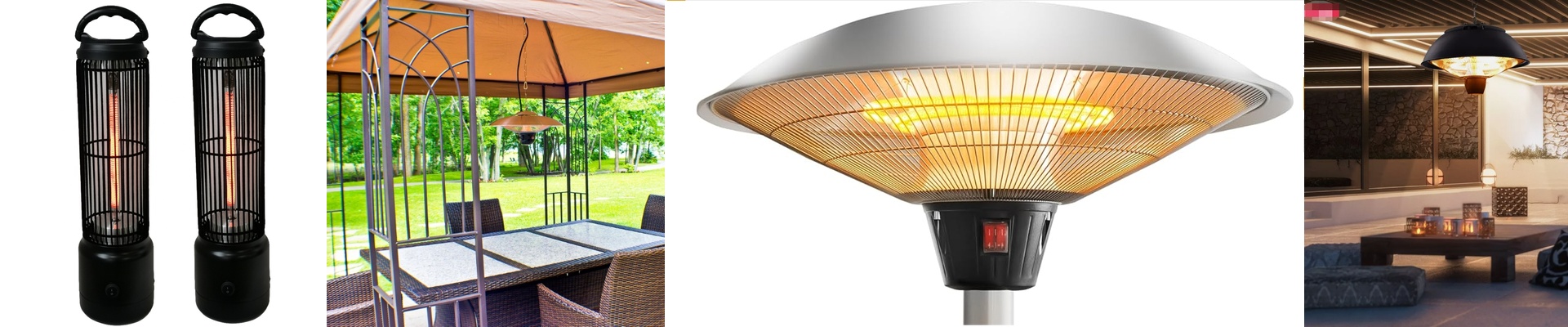


On the line, a tempering furnace doesn’t run on gut feeling. The moment glass comes out, the thermal stress has to be even, repeatable, and on spec. Let the heating profile drift and you’re staring at scrapped panes, field callbacks, and rework that eats margin. That’s why the test heater for glass strength isn’t an add-on—it’s the control knob that keeps yield in the black.
What matters under the hood
We built the test heater around a short-wave infrared (SWIR) quartz emitter array, because it responds fast and holds tight. Typical modules run 24 kW, 400 V, and the footprint is small enough to drop into most existing test fixtures. The heater surface hits operating temperature in seconds, and the control holds setpoint within ±2% across the cycle. In practice, that means the thermal input for strength tests is repeatable, without the lag and overshoot you get with convection-heavy setups.
Why this approach fits the process
You need strength validation quickly, without warping or distorting the glass. SWIR hits the surface clean, heating the glass directly, so you spend less time waiting to reach test temperature. The payoff is quicker changeovers between thicknesses and grades, and fewer false rejects that come from uneven heating. For tempered parts, the heater lets you spot-check compressive stress and edge quality on a sampling plan that keeps the line moving. Energy use falls too, because the heater cycles off when idle and comes right back up when needed.
The details that keep it running
This unit doesn’t like dust and high humidity. Keep the quartz sleeves clean and give it a dry, filtered air path. It will mount to most standard test frames, but make sure the mounting hardware and terminals match your fixture voltage and clearance. Expect a short commissioning run to tune the PID for your specific glass emissivity and mass. Once the profile is dialed in, it stays stable, and maintenance is straightforward.