



Why Fast-Response Infrared is the Only Kind That Works for Continuous Glass Annealing
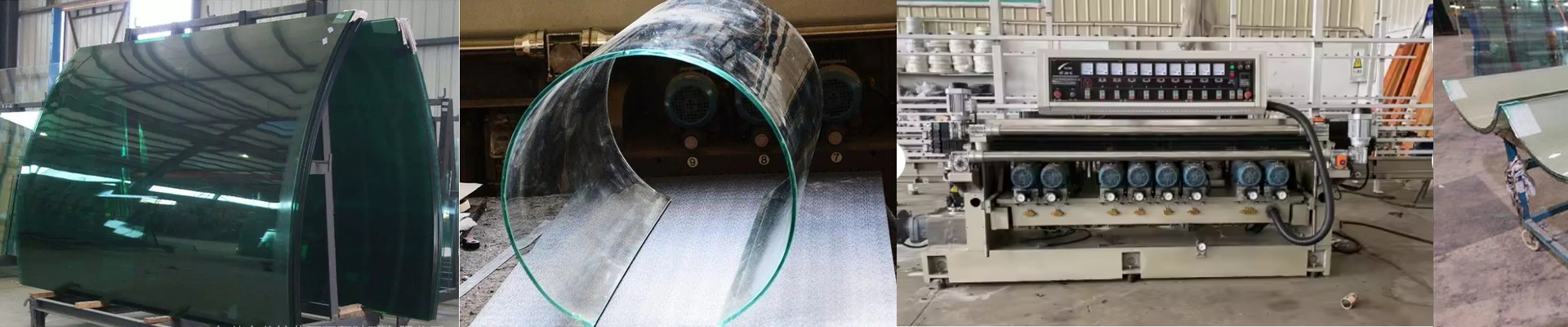
We built twin-tube infrared heating elements specifically for on-line glass annealing because this process absolutely can’t handle hesitation. The glass ribbon keeps moving, steady as a heartbeat. That means the heating zone has to hit the target temperature instantly—and then hold it there without wavering. If your heater is slow to respond, you waste energy and create uneven stress in the glass. And uneven stress? That’s how you get rejects. The whole point is simple: deliver controllable heat, fast, in a space that isn’t huge. That’s why we lean on shortwave infrared. The energy is focused, and the reaction time is quick. Flip the shutter open or ramp up the power, and the element heats up right away. It keeps pace with the line without overshooting.
The Practical Details: Power, Voltage, and Size
These twin-tube infrared elements are designed to pack serious heat density into a small footprint. A common setup runs at 400V and delivers up to 2500W, all in a tube around 300mm long. Why does that matter? Because it gives you high wattage in a short package, so you can aim the heat exactly where the glass needs it. Running high voltage at this power level also keeps the current lower for the same wattage. That helps you keep wiring and conductors manageable and cuts down on resistive losses. But it does mean your electrical design has to be matched properly. A 400V, 2500W tube needs clean, correctly rated connections—and enough cooling capacity nearby. If the surrounding components can’t shed heat, the driver and termination temperatures climb, and reliability falls off fast.
What’s Inside: Halogen, Quartz, Coating, and the R7s Connector
Inside each twin quartz tube, there’s a halogen-filled atmosphere. It protects the filament and keeps output steady over time. The halogen cycle helps prevent blackening, so the radiation intensity stays consistent across the service life. Quartz also handles thermal shock way better than standard glass, so rapid cycling is far less likely to crack the element. The twin-tube layout gives you more radiating surface in a small footprint, which helps spread the heat more evenly across the width of the glass. Many versions use a reflective coating on part of the tube to push infrared energy forward into the glass—less wasted heat toward the housing. And the hardware choice is practical: the R7s connector. It’s a solid, two-terminal interface that’s easy to wire and easy to replace on the line. It’s made for repeated installs and removals, so when something burns out, you can swap it fast and get back to work.
Real-World Use: Keeping the Line Moving
On-line annealing means the glass never stops. So the heater has to act like a production part, not a delicate lab setup. Shortwave infrared elements respond quickly enough to track temperature setpoints as line speed changes. The twin-tube form factor gives you the power density needed to anneal in a short furnace zone, which shortens the line and saves floor space. You get predictable heating with tight control, and the element design makes replacement repeatable. Just keep one thing in mind: that high heat density is powerful, but it needs thoughtful thermal management in the machine frame. Plan your airflow and heat shielding up front. Otherwise, the electronics and nearby parts will take a serious beating.