
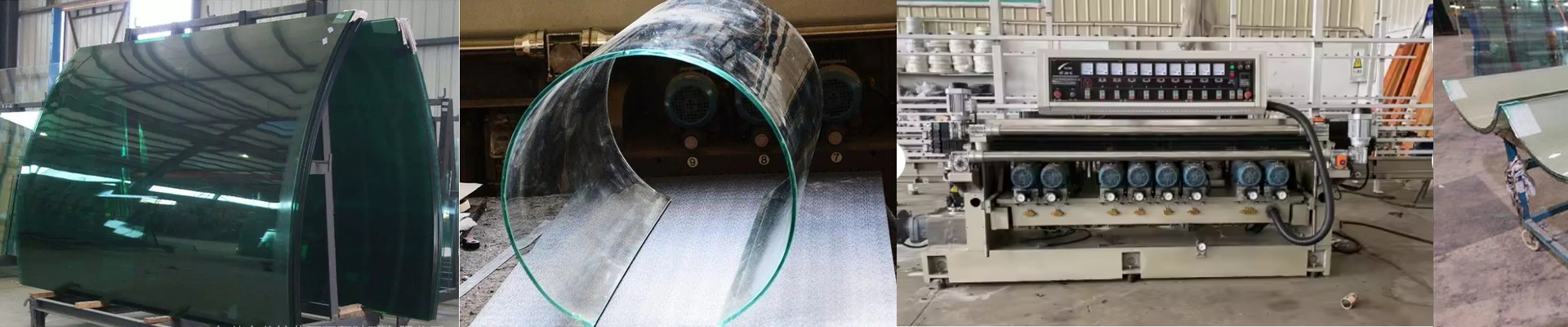


On the glass line, thin glass doesn’t forgive uneven heat. A cold spot during tempering or bending shows up as optical distortion, roller wave, or curvature that’s just off-spec. Convection ovens drag out response, and even a small lag in temperature pushes scrap up and throughput down.
What actually matters
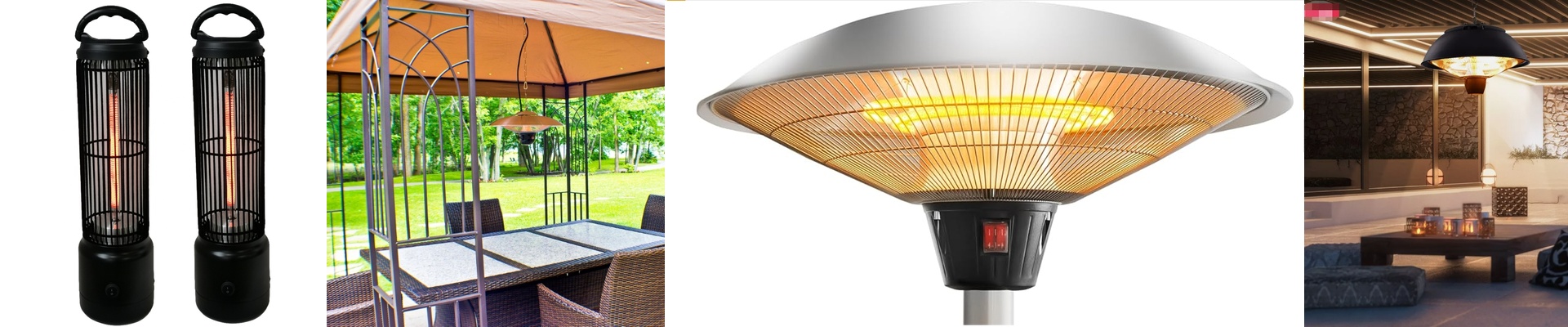
Infrared heating is the practical fix for thin glass because it gives you a uniform thermal field with fast response and directional radiation. Quartz or halogen NIR emitters put the heat where it needs to be—right on the glass surface—instead of wasting time heating the whole chamber. You end up with a tight temperature profile across the width, quick ramp-up, and an immediate cutback when the dwell is done. In day-to-day terms, that means less thermal stress, more repeatable sag control on bending, and a steady surface temperature for coating drying and lamination prep.
Why it fits the process
Thin glass heats fast and cools fast, so cycle time becomes a question of control, not inertia. With infrared, you shrink the ramp-up window, hold the setpoint evenly, and cut the overheat margin that causes edge compression and breakage during quench. In tempering, uniform heat right before the quench improves optical quality and lowers rejects from roller imprint. In bending, directional radiation gives you repeatable contours without chasing furnace balance. And yes, energy use drops because you’re heating the glass, not the air and refractory.
The details that keep it running
Infrared is line-of-sight, so emitter layout, reflector geometry, and the glass emissivity have to match the process. Thin glass can be sensitive to hot spots if power density is too high or spacing is uneven, and coatings or interlayers often need tighter temperature bands. Treat the module as a drop-in upgrade to your existing zone layout. Verify voltage and cooling, and make sure the control strategy can keep up with the fast response. Match the spectrum and power to the glass thickness and cycle, and the line will run with fewer tweaks and steadier yield.