


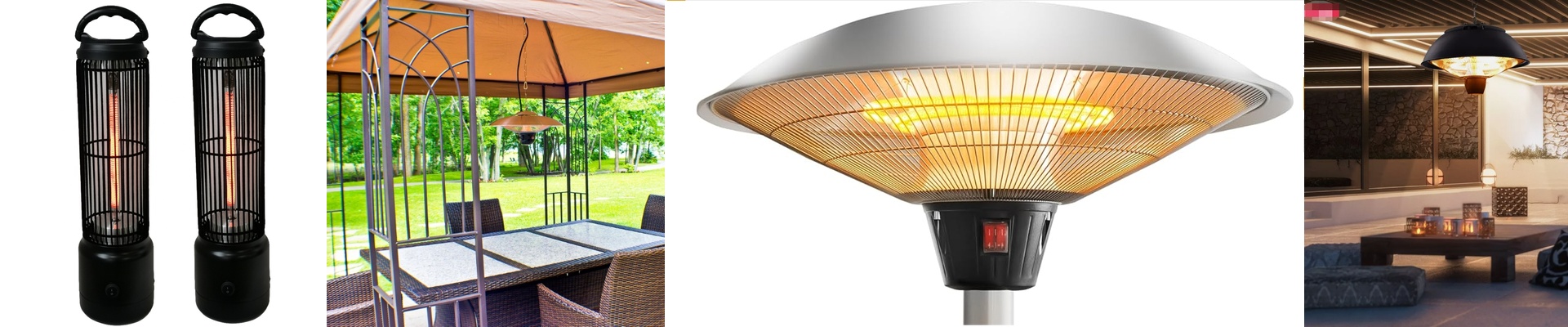

Keeping Bathroom Infrared Heaters Safe (And Dry)
Let’s be honest: bathrooms are a nightmare for electronics. You’ve got thick steam hanging in the air and the constant risk of a direct splash. If you’re putting an infrared heater in there, you’re basically inviting a short circuit to happen unless you get the insulation exactly right. For us, it comes down to two things: keeping the connections bone-dry and picking materials that won’t freak out when they get hot.
The Battle Against Moisture
The biggest headache is always the terminals—that spot where the power wire actually hits the lamp. It’s the weakest link. If even a little bit of moisture creeps in there, it creates a bridge between the live wire and the metal frame. Not great. To stop that, we use IP-rated sealed connectors. Think of it like a watertight seal for your electricity. We often use silicone gaskets or “potted” connections—basically encasing the joint in a protective resin—so the humid air can’t even get close to the contacts.
Picking the Right Stuff
We don’t mess around with the materials. We use quartz glass and high-grade ceramics. Quartz is great because it can handle the shock of going from cold to scorching hot in seconds without cracking or conducting electricity. We also lean into a double-insulated design. The heating element is physically walled off from the outer shell. That way, if a filament snaps or a seal happens to leak, the outside of the heater doesn’t suddenly become “live.” It’s all about adding those extra layers of protection.
The Great Balancing Act
Here’s the tricky part: waterproofing usually kills your airflow. If you seal a unit too tight to get a fancy IP rating, you end up trapping heat inside the housing. If the internal temperature spikes too high, the wire insulation gets brittle. Then it cracks. Then you’re back to square one. It’s a constant tug-of-war between keeping the water out and letting the heat breathe. One last thing. No matter how good the insulation is,alwayswire these into a dedicated GFCI breaker. It’s the only way to sleep easy knowing that if something does go wrong in a wet zone, the power cuts out instantly.