

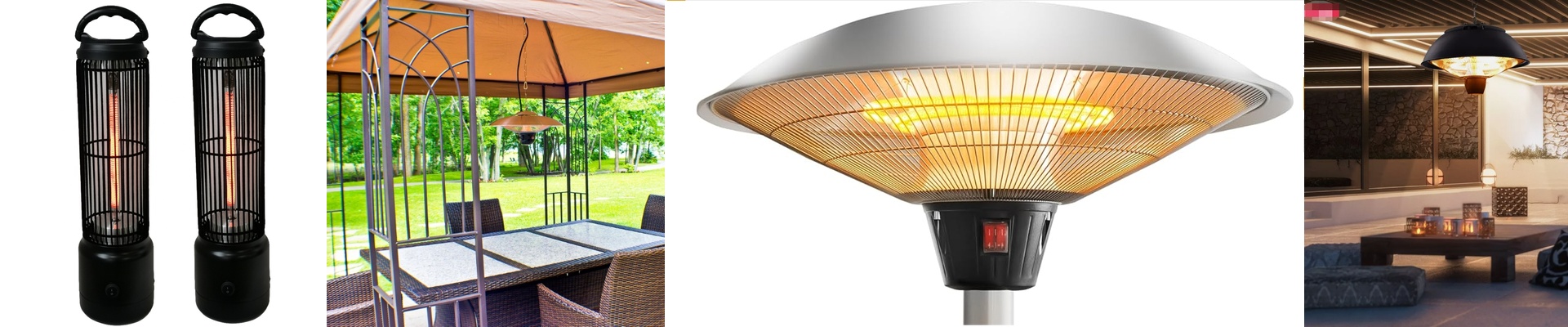


Basements tend to be the last room we get around to making comfortable. They sit cool, damp, and uninviting—until you step down and the chill hits you. Forced-air systems struggle to respond in below-grade spaces, so you wait while the air slowly warms. An infrared basement electric heater flips that experience. It delivers radiant warmth that heats people and surfaces first, so you feel cozy faster, even when the rest of the house is lagging.
What matters under the hood
We built this basement electric heater around infrared heat, using a durable carbon fiber element inside a sealed quartz tube. The result is direct, even warmth—no moving parts to rattle or wear out. It runs on standard 120V household power, so installation is straightforward: a dedicated outlet and secure mounting, no heavy rewiring. The unit includes an integrated thermostat for steady comfort, plus tip-over protection for peace of mind.
Why it fits basements
Basements need heat that shows up on demand, and that’s where smart integration makes a practical difference. Connect the infrared heater to your smart home system, and you can turn it on remotely with a single tap. Step off the stairs and the room already feels like winter has eased off—no preheating, no drafty wait. The radiant heat helps dry the air just enough to cut that damp feeling, and the quiet operation keeps the space calm for work, play, or just unwinding.
The details that keep it working
Because infrared heats surfaces and objects directly, it performs best in open sightlines and unobstructed areas. Keep the heater clear of storage and furniture so warmth spreads evenly. And while the heater is designed for basement use, placement matters around moisture sources. It’s not rated for direct exposure to standing water or high-pressure spray, so check the IP rating and follow the clearance guidance. Plug it in, set the temperature, and let your smart system handle the rest.