


IP65 Protection for Open-Air Operation
Here’s the thing about outdoor heaters: if they aren’t truly built for the elements, they’re just expensive lawn ornaments. We built these around an IP65 seal because that’s the real deal for exposed, uncovered terraces. The die-cast housing and gasketed joints keep dust out and stop jet-wash water from ever getting inside. This isn’t about looks. It’s about doing the job when the rain drives sideways and the wind is full of grit. Inside, the voltage components stay bone-dry, so corrosion stays away and performance stays steady—even through the wettest winter months.
Technical Deep-Dive: Power, Voltage, and Thermal Output
Our new infrared heaters were designed for one purpose: to handle serious commercial heat loads, not to just look pretty. The 400V electrical setup is what makes that happen, delivering high wattage over distance without forcing current through long, thin cables. Higher voltage drops the line current, which keeps voltage loss low and lets you use a smaller conductor for the same load. The tube length and wattage are matched to create a predictable heat pattern. A compact, high-density element throws a focused beam that warms tables and chairs directly—not the empty air around them. That’s how an open terrace stays usable when the temperature drops. Just keep in mind: the output is intense. So you’ve got to plan mounting height and local airflow carefully to avoid overheating the surface right below.
Halogen Quartz Element and R7s Interface
The heart of the heat is the halogen-filled quartz tube. The halogen chemistry keeps the filament temperature steady, so output stays consistent over the tube’s life. And the quartz itself handles the shock of power cycling and heats up fast without cracking. The R7s connector is a no-nonsense industrial choice. It gives you a rigid, two-pin interface that can take the high operating temperature and makes lamp replacement a simple job out on the deck. When a tube reaches the end of its life, you can swap it out clean—no tools needed. Downtime stays short, even during service hours.
Application: Open-Air Restaurants and Revenue Continuity
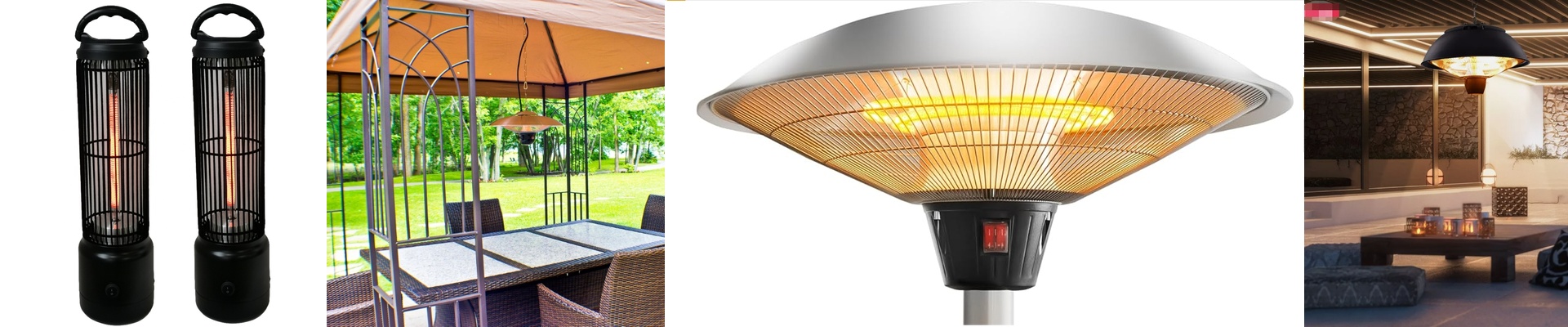
For open-air dining, the goal is simple: keep the seating area warm and dry enough for people to sit, eat, and linger. Infrared heat warms people and surfaces directly, not the whole atmosphere, so you only heat the footprint that’s actually in use. That means less wasted energy and steady table turnover, even on cold nights. The real win is operational: you extend service hours without rebuilding the space. We spec these units to wire into existing outdoor circuits, but you’ll want to confirm your local breaker capacity and protection for the 400V load. Get the mounting and zoning right, and you have a practical upgrade that keeps your terrace bringing in revenue all winter long.