



Getting Low-E Glass Preheating Right on Wide-Format Lines
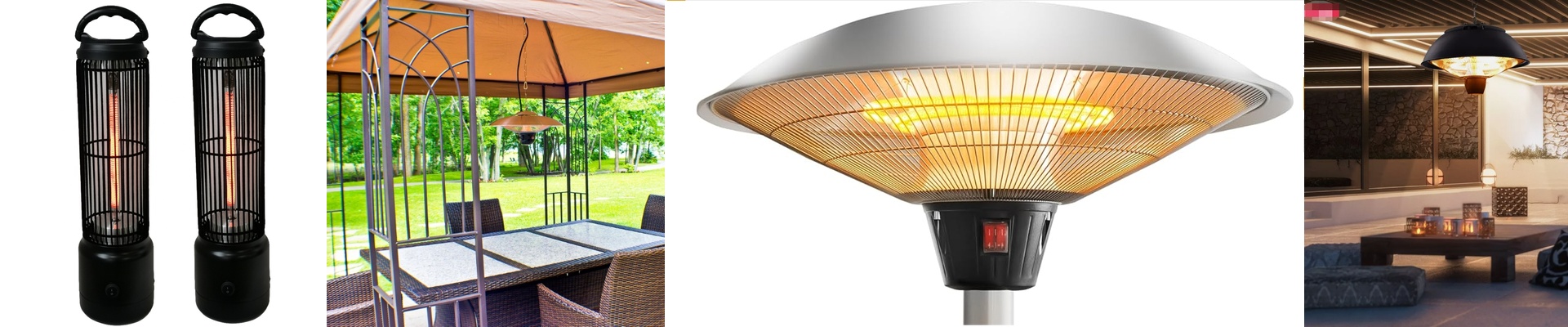
If you’re running a conveyor wider than 3 meters, you know the struggle. You can’t have cold spots. Not if you want your Low-E coating to actually stick. The problem is that most off-the-shelf lamps just aren’t built for that kind of scale. They leave gaps. That’s why we build custom single-tube infrared units. We design them specifically to fit those massive footprints so you get a steady, even heat across the whole sheet. The struggle with long tubes Here’s the thing: when you push a quartz tube past 3 meters, physics starts working against you. The tube wants to sag. It wants to break. To stop that, we use high-purity fused quartz with a very specific wall thickness. It keeps the tube rigid even when things get scorching hot. We also spend a lot of time obsessing over the wattage per centimeter. Get it too high, and you’ll fry the glass in one spot. Too low? The coating won’t bond, and you’ve wasted a piece of glass. Wiring and power (the messy part) Long tubes and voltage drops don’t get along. To fix this, we tweak the specs to match your grid. We often go with higher voltage setups to keep the current draw down, which means you don’t have to run cables as thick as your wrist. We also use heavy-duty connectors. Why? Because factories are rough. Things get bumped. Just a heads-up: you can’t just plug these in and flip a switch. You’ll need a controller to handle the ramp-up. If you hit a cold tube with full power instantly, it’ll shatter from thermal shock. Keeping it real: the trade-offs A single 3-meter lamp looks great and gives you a perfectly smooth heat profile. But there’s a catch. If one tube pops, your whole section goes dark. To avoid a total shutdown, we usually suggest installing them in staggered banks. That way, if one goes out, the lamps around it can pick up the slack until your next maintenance break. One last tip: be careful with your brackets. They have to be perfectly aligned. Even a tiny bit of mechanical stress on a tube this long during installation is a recipe for a crack.