



Dealing with Thermal Shock in Glassware
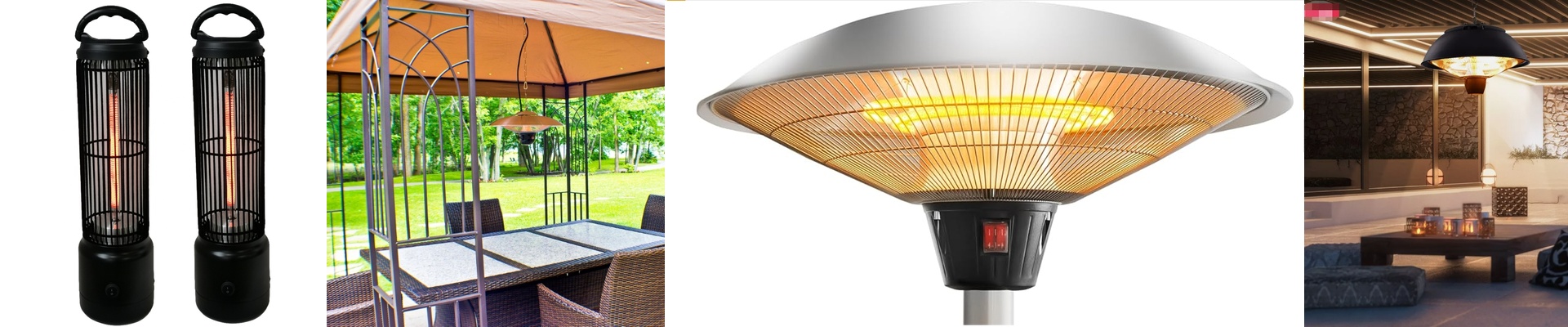
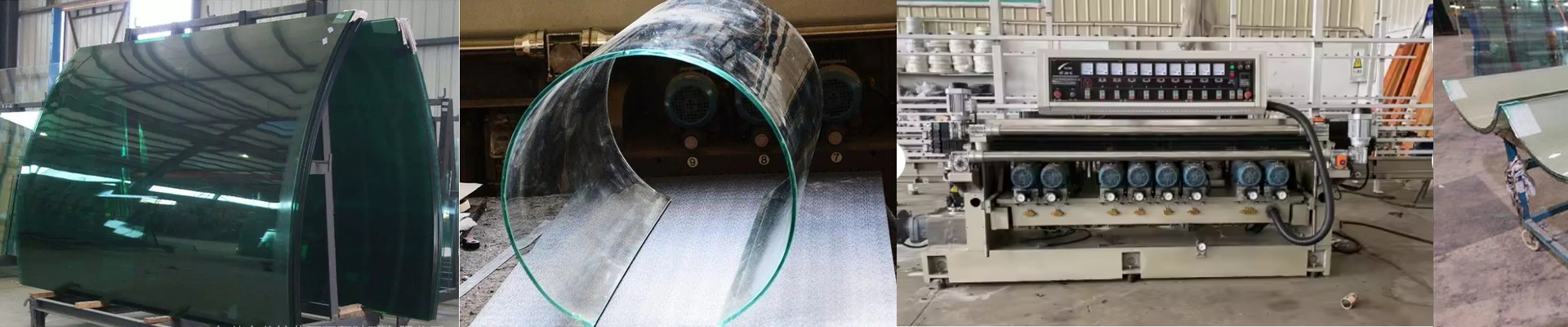
Anyone who’s worked with glass knows the frustration. You’re trying to get the temperature just right, but if you push too hard or heat it unevenly, snap. That’s thermal shock. It’s a nightmare for production. To stop the cracking, you need a way to change the heat instantly. That’s where shortwave infrared radiators come in.
Why “Fast” Actually Matters
Most heating elements are just too chunky. They have way too much thermal mass, meaning they take forever to warm up and even longer to cool down. It’s like trying to steer a cruise ship in a swimming pool. Our shortwave IR lamps are different. We use a tungsten filament inside a halogen-filled quartz envelope. The result? The heat transfer is basically instant. Since we use SCR controllers, you can tweak the heat flux in milliseconds. You can hit that perfect tempering temperature without overshooting it. If you notice the glass surface is getting too hot, you just dial it back right then and there. No waiting around.
The Nitty-Gritty on the Hardware
We built these lamps to take a beating. The quartz glass stays put and doesn’t warp, even when things get scorching. Plus, the halogen cycle keeps the filament from burning out too early, so you aren’t replacing bulbs every other day. You’ll usually see these with R7s or SK15 connectors. We didn’t pick those just because they’re easy to plug in—they create a tight electrical connection. That’s key because you don’t want any arcing when you’re pushing high current loads. One heads-up: keep your power supply stable. A single voltage spike can pop a filament in seconds.
Making it Work in Your Shop
These lamps give you the punch you need for instant tempering. Because the energy sinks deeper into the glass faster than a convection oven ever could, you can actually shrink the size of your heating tunnel. More room on the shop floor is always a win. But here’s the thing. High-wattage lamps put out a massive amount of radiant heat. Don’t forget about your machine frame. If you don’t have proper venting or a water-cooling system in place, you might find yourself warping your own equipment while you’re trying to temper the glass. It’s a rookie mistake, but it happens.