


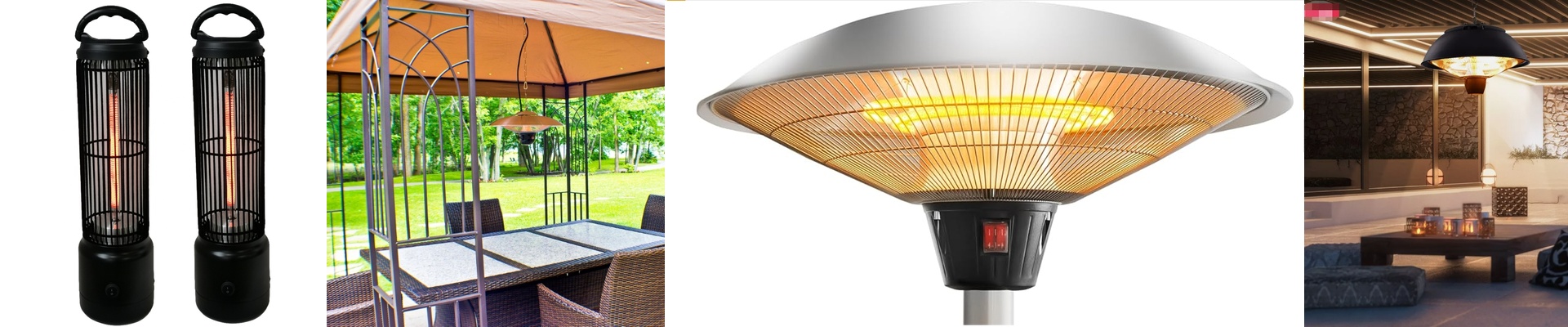
Stepping onto a European patio at dusk, you feel the air bite before the evening settles. We spent time in 2,000 homes, and the takeaway was consistent: people want warmth that shows up fast, lands where it’s needed, and doesn’t turn the outdoor room into a power-hungry shed. The answer we landed on is a freestanding fireplace heater that leans on infrared warmth to make time outside genuinely comfortable.
What matters under the hood
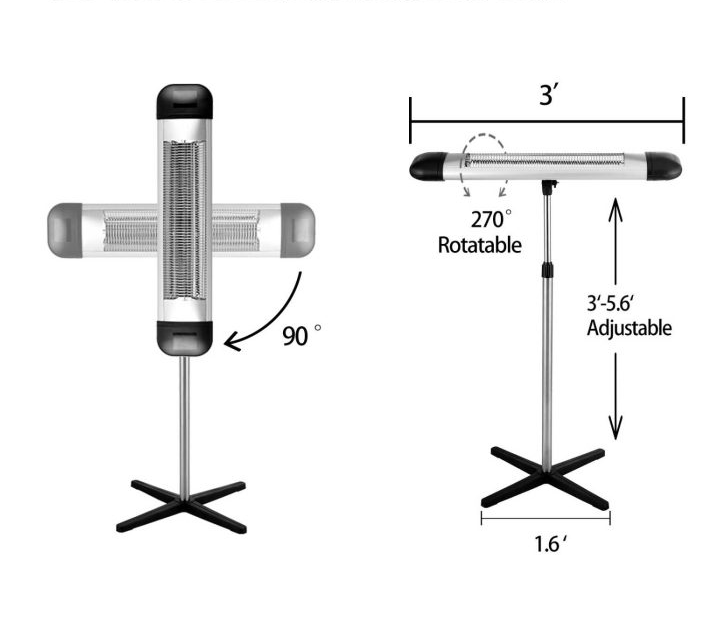
This freestanding unit runs on a direct-radiant infrared system, with a quartz tube element that throws heat onto people and surfaces—not into thin air. The payoff is immediate. No long warm-up, no waiting on a compressor. It plugs into standard 220–240V outlets, draws 1.5–2.0 kW depending on the model, and sits on a wide, stable base so you can place it wherever the group gathers. A built-in thermostat keeps comfort steady, and tip-over protection shuts things down if it gets bumped. For outdoor use, the electrical bits are housed in an IP-rated enclosure to handle light rain and splashes.
Why this approach fits modern outdoor living
Modern homes want outdoor rooms that get used, not just admired. Infrared warmth makes that happen because it travels outward like sunlight—warming you first, and letting the breeze do the rest. With this freestanding design, you move the heat to match the seating—near the bistro table, beside the sofa, or at the edge of the deck—without committing to fixed hardware. The feel is closer to sitting by a fireplace than standing under a forced-air heater: quiet, cozy, and even across the skin. That means longer conversations, better sleep after a cool evening, and fewer cold-weather cancellations.
The practical details that make the difference
Infrared shines when it has a clear line to the people you want to warm. Position the heater so the radiant output hits the seats directly. Keep it away from combustibles and stick to the clearances in the manual. And here’s the reality: because this is an electric radiant heater, it won’t heat the surrounding air the way some systems do. That’s great for targeted comfort, but it won’t turn a windy yard into a sealed living room. For best results, pair it with wind-blocking furniture or an enclosure to keep the warmth where you want it.