



Stop Letting the Cold Kill Your Profits
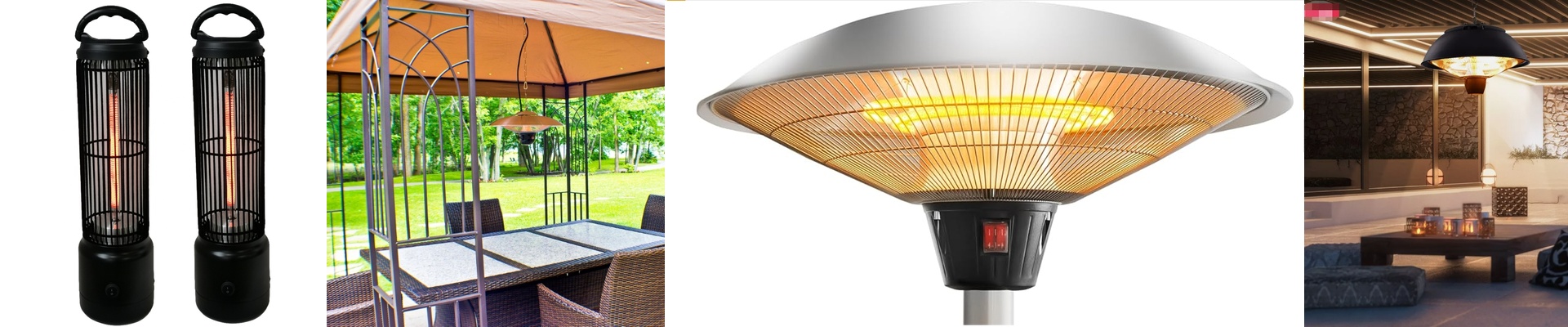
It’s a frustrating cycle. As soon as the temperature dips, your outdoor seating becomes a ghost town. You’ve got the space, you’ve got the vibe, but nobody wants to sit in a breeze and freeze while they eat their appetizers. That’s why we built these infrared heaters. Here’s the secret: we don’t bother trying to heat the air. That’s a losing battle because the wind just carries the warmth away. Instead, our heaters go straight for the people and the furniture. It’s a direct hit of warmth that actually stays put.
Built for the Real World
The outdoors are brutal on electronics. Rain, dust, grime—it all adds up. We went with an IP55 rating because these units need to take a beating and keep on ticking. In plain English? It means they’re sealed up tight. You can tuck them under an awning or mount them under exposed eaves without stressing over a sudden rainstorm frying your circuitry. They’re tough.
Why Infrared Actually Works
We use short-wave infrared emitters. Think of it like the sun. You don’t wait for the air to warm up to feel the sun on your skin; you feel it instantly. Our lamps work the same way. The second a guest sits down, they feel that warmth. No more “cold shoulder” effect where people huddle in their coats for twenty minutes before they finally relax. This is how you keep those tables full in November and February.
The Bottom Line (and a Warning)
When people are comfortable, they stay for that extra round of drinks or a dessert they weren’t planning on ordering. But because the heat is so focused, they aren’t just camping out for four hours. You get a better flow of customers and more money per seat. But a quick heads-up on the electrics: these things pull a lot of power. Don’t just plug them into any old outlet. You’ll want to check your electrical panel to make sure it can handle the load, otherwise, you’re looking at a tripped breaker right in the middle of the Friday night rush. If you’re putting in more than four high-output lamps in one area, do yourself a favor and run dedicated circuits. It’s worth the effort to avoid a blackout.