


Why Your Bathroom Heater Needs “Explosion-Proof” Glass
Let’s be honest: bathrooms are a nightmare for electronics. You’ve got thick steam, random water splashes, and temperatures that swing from freezing to boiling in a matter of minutes. If you use a standard quartz tube in a ceiling heater, you’re playing a dangerous game. Imagine a tiny, cold droplet of water hitting a tube that’s glowing white-hot.**Pop.**Thermal shock happens, and the glass shatters. Not exactly the vibe you want while stepping out of the shower.
The Secret to the Glass
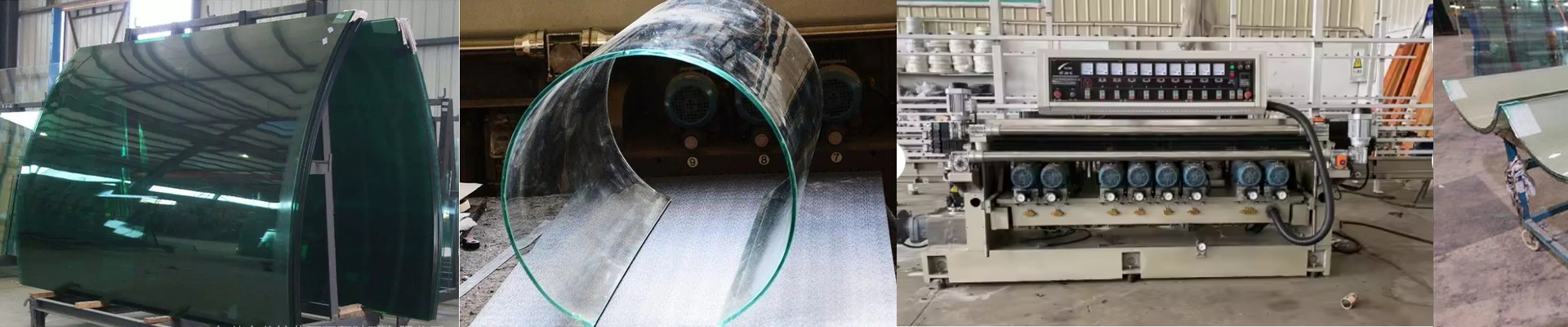
That’s why we use explosion-proof quartz. Now, it’s not just about making the glass “tougher.” It’s more about how the material handles the stress of expanding and contracting. If a crack does happen, the tube is designed to manage the pressure so you don’t end up with shards flying across the room. We use high-purity fused silica for the core, and we usually add a protective coating on the outside. This does two things: it makes the heat feel more natural on your skin, and it stops the minerals in hard water from gunking up the tube.
The Nitty-Gritty Stuff
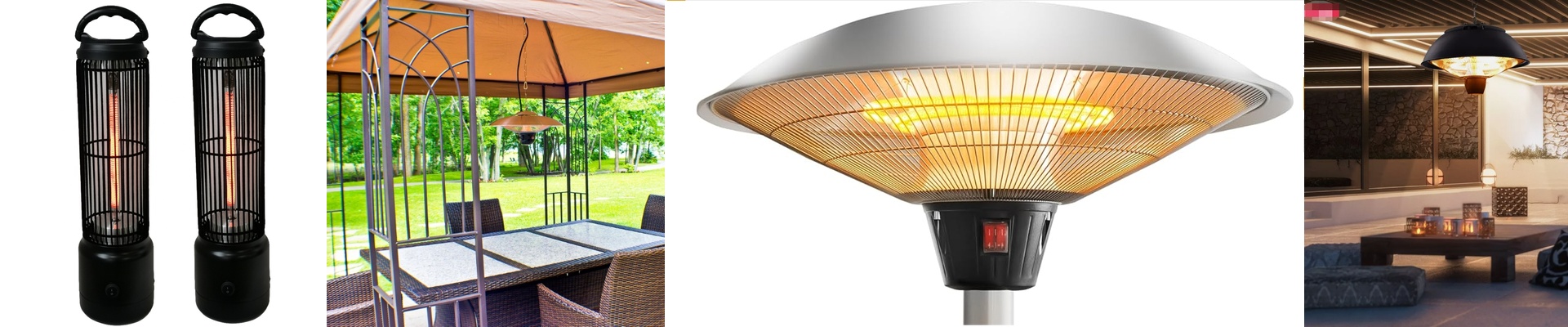
Most of these units plug right into your home’s standard voltage, though the power depends on how long the tube is. We typically go with short-wave halogen elements because they’re fast. Like, “instant warmth” fast. But here is the part people often overlook: the seal on the lamp holder. If that little gasket fails, moisture creeps into the electrical contacts. That leads to corrosion, and eventually, the whole thing just burns out. To stop that, we use high-temp ceramics so the connections don’t melt when the heater is cycling on and off.
The Trade-off
There’s always a catch, right? High-wattage tubes give you that immediate blast of heat, but pushing that much current through a small tube puts a lot of stress on the material. You get the warmth faster, but the element won’t last quite as long. One last tip: make sure your bathroom ventilation is actually working. If the heat gets trapped inside the ceiling housing, your wiring will fry long before the quartz tube ever gives out.