



Why your bathroom heater keeps dying (and what actually works)
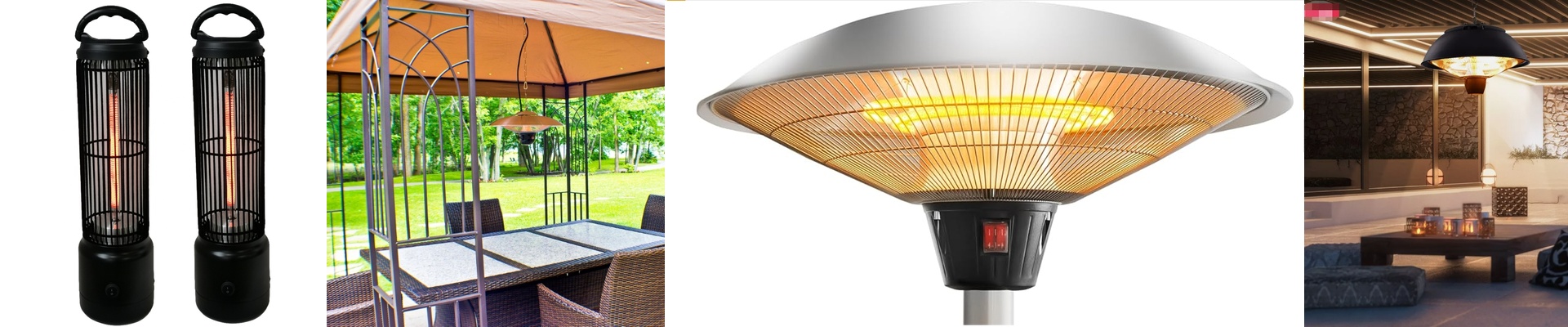
Let’s be honest: those standard bathroom lamp heaters are kind of a joke. They aren’t actually built for the steam and splashes of a real shower. Most of the time, they just struggle along until they finally give up the ghost. That’s why we’re seeing more people switch over to high-IP waterproof infrared heaters. They don’t just survive the moisture—they actually handle it.
The trick to staying warm
Here is the thing about heat. Most heaters try to warm up the air. But in a bathroom? That warm air just disappears right out the vent. You’re basically heating the outdoors. Infrared is different. It doesn’t care about the air; it goes straight for your skin. It feels like standing in a patch of sunlight on a cold day. But to do this safely in a wet zone, you need a high IP rating. We seal the heating elements inside quartz glass tubes and wrap the electrical bits tight. This keeps the steam and droplets away from the live wires. If you go with a cheap, low-grade version, moisture finds a way in. And that’s how you end up tripping your breaker—or worse.
The trade-offs
To get this right, you need short-wave infrared emitters and a chassis that won’t rust the second it hits some humidity or soap residue. Now, there’s a bit of a balancing act here. You want a lot of heat, but you don’t want the heater to become a branding iron. We use tempered glass or powder-coated steel grilles so you can get that instant warmth without worrying about accidental burns. And just a heads-up: these units are usually a bit bulkier than those flimsy lamp heaters. You can’t just jam them into a tiny ceiling gap. They need a little breathing room to let the heat move.
Getting it installed
If you’re putting one of these in, don’t cut corners on the wiring. You need a dedicated GFCI circuit. Since we’re dealing with high current and water, you want the right wire gauge so you don’t deal with voltage drops. The best part? Once it’s wired up, you’re done. Because the design is sealed, you don’t have to worry about internal corrosion eating away at the contacts over the next few years. It just works.