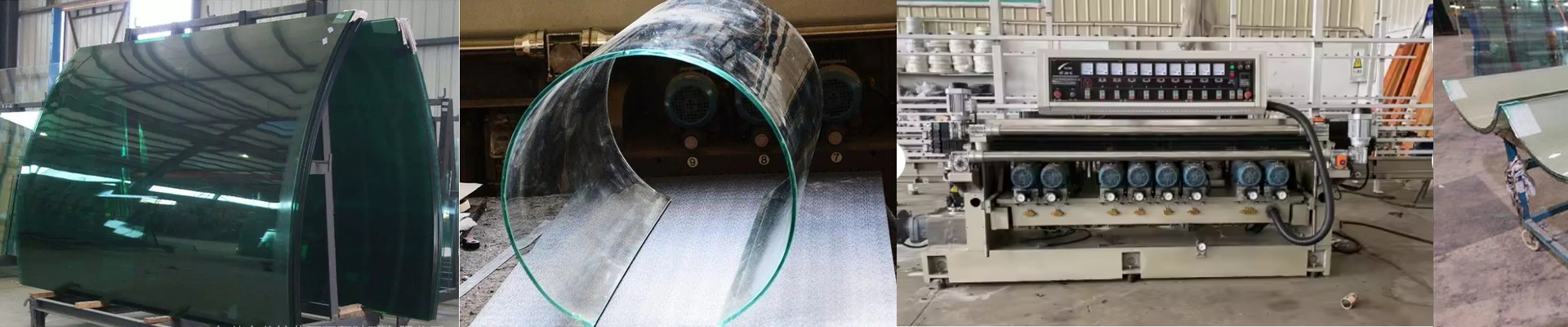

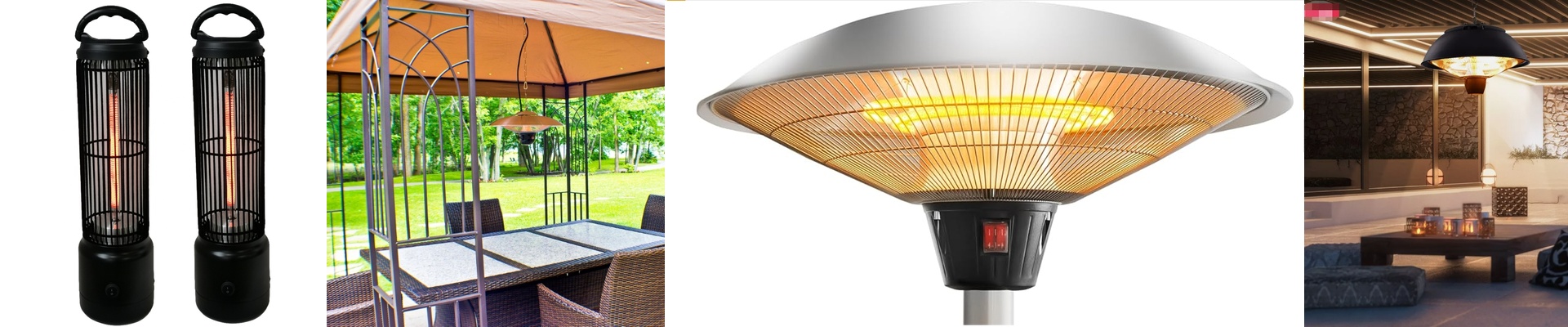


On the line, laminated glass adhesive curing is where cycle time, temperature uniformity, and repeatability make or break your yield. Under-cured PVB or EVA shows up as bubbles, edge slip, and haze. Over-cured interlayers lose elasticity, and the laminate cracks on impact. Convection ovens drag the heat-up, and hot spots drive thermal stress in coated or tempered lites. What matters technically We build heating modules around short-wave infrared (IR) quartz emitters, because you want direct energy into the interlayer, not into the air. That targeted output gets the adhesive into the cure window fast, while the glass surface stays under control. We size the system to match your press platens and dwell, with adjustable power density to handle low-emissivity glass and thick interlayers. Temperature feedback is closed-loop, so the profile repeats shift after shift. Here’s why this fits the way glass gets processed. Tempering, bending, coating drying, lamination, and insulating glass sealing each demand a different thermal approach. For laminated glass adhesive curing, short-wave IR gives you a rapid ramp-up that shortens dwell, and the focused field cuts edge overheating that leads to optical distortion and stress fractures. The payoff is fewer rejects, stable optical clarity, and higher throughput without jacking up energy draw. And the modules drop right into existing presses, so you avoid long retooling stops. Now, the things you need to keep in mind. Short-wave IR heats fast, but it needs line-of-sight and careful emissivity matching so you don’t get uneven absorption across tinted, coated, or reflective surfaces. Clear glass and coated glass often need different emitter power and dwell settings, so we ship presets and tuning guidance. Installation comes down to reflector alignment and shielding to protect sensitive components. Plan for clean power, proper grounding, and routine checks on emitter condition. When it’s set up right, the system runs with stable output, consistent adhesion, and predictable maintenance intervals.