

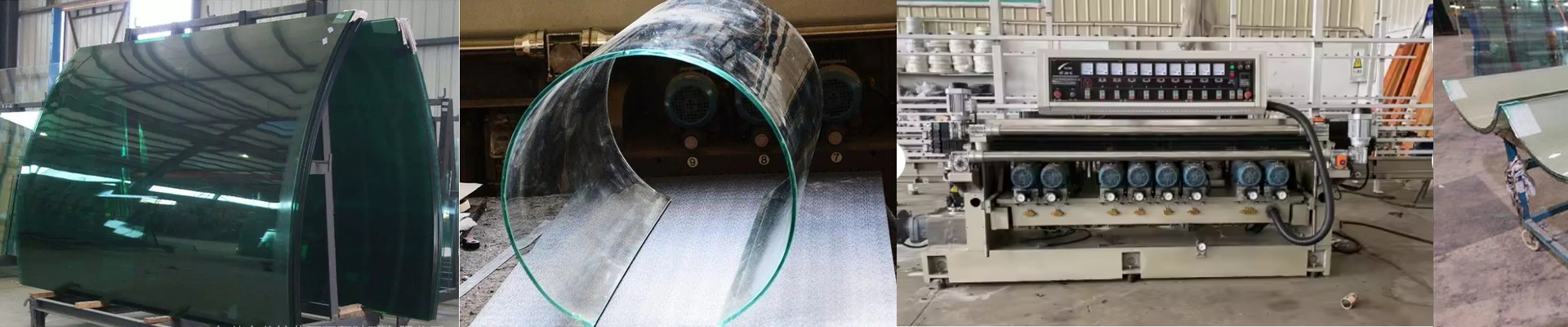


Why Shortwave Infrared Just Flat-Out Beats Convection for Glass Coatings
We built this drying setup from the ground up for one reason: to get those tiny nano-layers to stick. Here’s the thing with old-school hot air drying. It heats the air around the coating, not the coating itself. So you end up with uneven temperatures, and that means a weak bond. Not good. Shortwave infrared (SWIR) works completely differently. It dives right into the coating, heating it from the inside out. That gives you a perfectly even cure, locking the nano-layer to the glass like it’s meant to be there.
Let’s Talk Power: The Heart of the System
At the core of this module is a high-intensity halogen lamp. We spec’d it for serious wattage because that’s what it takes to cure things fast. It runs on 400V, which lets us pack a ton of power into a small space. No need for bulky cables. And the 300mm length? That wasn’t a guess. It’s a perfect match for standard glass panel widths. That means you get full, even coverage with no hot or cold spots. It’s fast. Seriously fast. We’re talking seconds, not minutes.
The Details That Make It Work
The lamp itself is wrapped in quartz. We chose quartz because it stays rock-solid stable under heat and lets all that SWIR energy pass right through. Inside, there’s a special reflective coating that makes sure all the energy hits the target. Less wasted heat. A cooler lamp. Smart. And the R7s connector? It’s the industry standard. So swapping out a lamp is a simple, plug-and-play job. It handles the high current without getting hot, and the bi-pin design makes maintenance a breeze on the line.
What This Means on the Factory Floor
When you run this on a glass coating line, the difference is night and day. We’re talking about a bond strength that’s three times stronger than what you get with hot air. That’s because we cut straight to the source, getting rid of that pesky boundary layer that always messes up convection ovens. The payoff is real. Your line moves faster, and you get far fewer rejects from poor adhesion. Now, there is one thing to keep in mind: thermal management. The heat is intense, so you need a cooling system that’s up to the task. But once you get that dialed in, you’ve got a curing process that’s reliable, repeatable, and ready for the long haul.