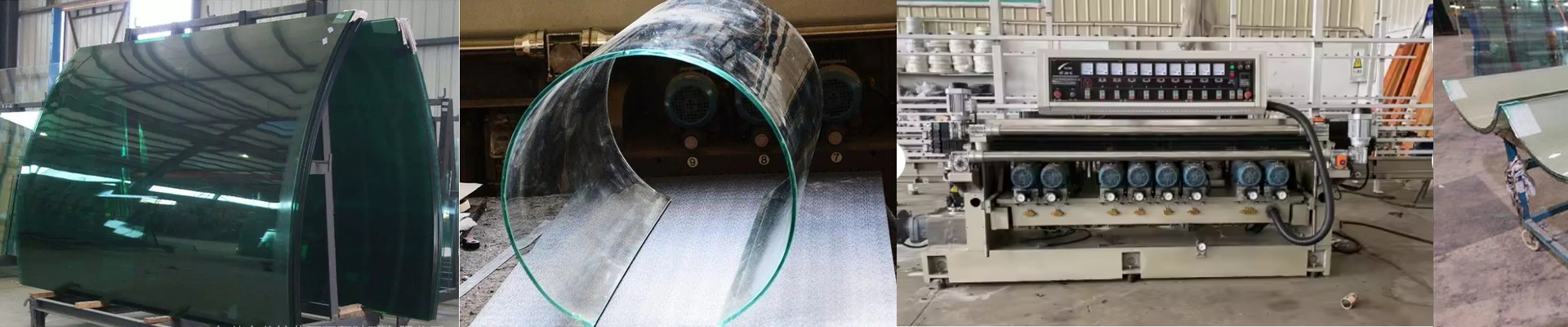


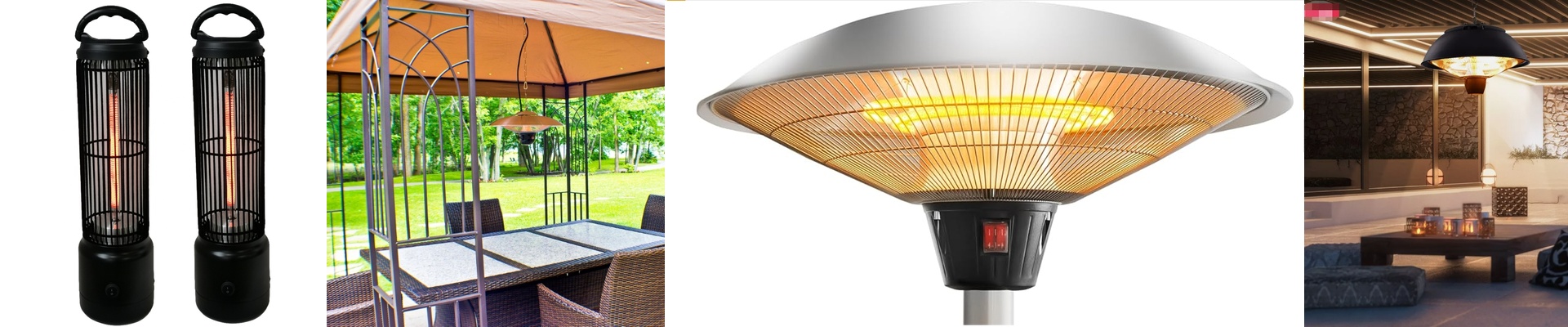


On the glass line, enamel drying is where you balance speed against scrap. Under-dry gives you uncured edges and adhesion failures. Over-dry? Pinholes and thermal stress fractures. The furnace has to come up to temperature fast, hold it even across the sheet, and repeat that profile without drifting. What matters under the hood We set the drying step around near-infrared (NIR) emitters tuned to the enamel’s absorption band. That gives you rapid energy transfer with low thermal inertia. The system keeps a controlled spectral profile and tight temperature tolerances across the belt, so the thermal field is uniform—less distortion, less stress in the glass. Power density is matched to line speed, and the emitter array is staged to cover edge-to-edge without hot spots. The payoff is curing that tracks your setpoint, shift after shift. Why it holds up on a real line With enamel drying, speed only matters if it’s repeatable. NIR cuts dwell time, so you push more panes per hour while still meeting cure spec. The even heat profile cuts rejects from uneven cure, and the low-mass heating keeps energy draw down during ramp-up and idle. In practice, that translates to fewer line stops, less rework, and a steadier furnace profile—especially when you’re running tempered or printed glass, where thermal history matters. The things you’ll thank yourself for later NIR drying is built to be line-fit, but it needs attention to emitter-to-glass clearance and the coating’s emissivity. The process window tightens if the glass backside reflects energy or if airflow around the belt is uneven. We size the array and control zones to your line width and speed, and we always suggest a quick alignment check during the initial run-in. Plan service access up front—keeping lamp alignment and reflectors clean is straightforward, but it has to be part of the daily routine.