

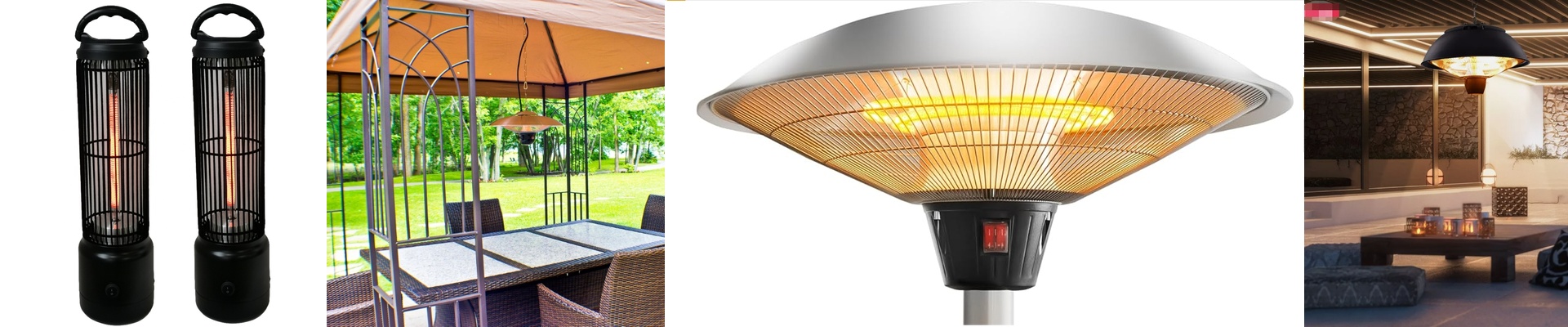


You don’t need a spreadsheet to get warmth right—just a solid rule of thumb and the right cubicle heater. In drafty corners, north-facing rooms, or spaces with thin insulation, undersizing an infrared heater shows up fast: slow warm-up, cold spots, and a heater that runs but never feels finished. Oversizing wastes energy and can leave you sweating when you just want steady comfort.
What actually matters, technically
A cubicle heater built around infrared technology delivers radiant heat—warming people and surfaces directly instead of pushing air around. That means you feel comfort faster when you step in, and you lose less heat when a door opens. In practice, the number you’re chasing is wattage, and the rule is straightforward. Start with room area, then adjust for exposure and insulation. For most homes,10 watts per square foot puts you in the ballpark. A north-facing room or one with poor insulation often needs 12–15 watts per square foot. High ceilings add volume, so add roughly 10% more wattage for each extra foot above 8 feet.
Why this approach works in real rooms
That one-minute selection guide exists for a reason: match power to the room’s exposure and thermal performance. When the cubicle heater is sized correctly, you feel warmth within seconds, not minutes. The space stays more even, so you avoid the on-off cycling that makes electric heating feel drafty. Because infrared warmth targets objects and people, you can run at a lower overall setting and still feel cozy—especially in workspaces where you sit still and want steady heat without noise or moving air.
What you need to know before you plug in
Placement matters. Mount the cubicle heater so the radiant beam covers the primary seating area, keep at least 3 feet from combustible materials, and avoid direct glare. Use a dedicated outlet—no daisy-chaining power strips. Most units include tip-over protection and thermostat control, but they still need ventilation and shouldn’t be used in damp areas unless rated for it. If you plan to run it for long stretches, pair it with a timer or smart plug to keep comfort consistent without overheating the space.