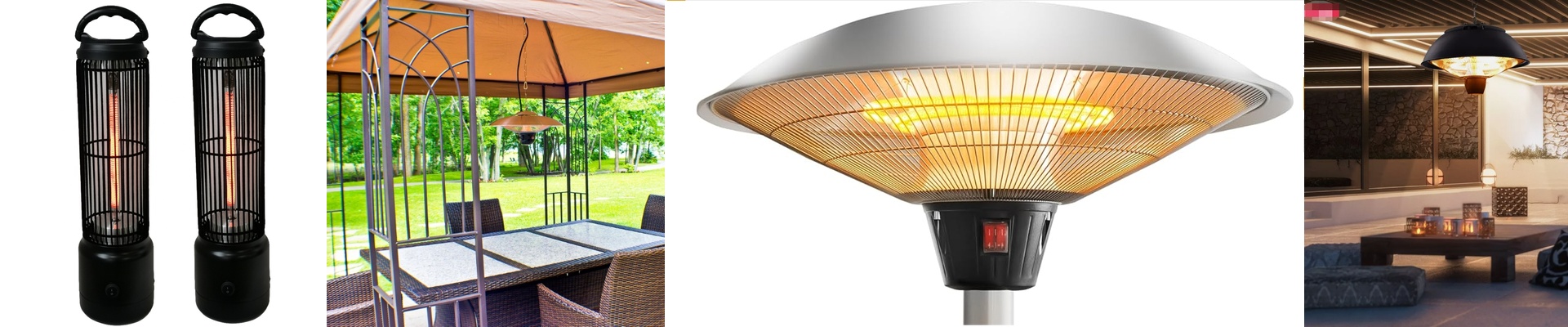

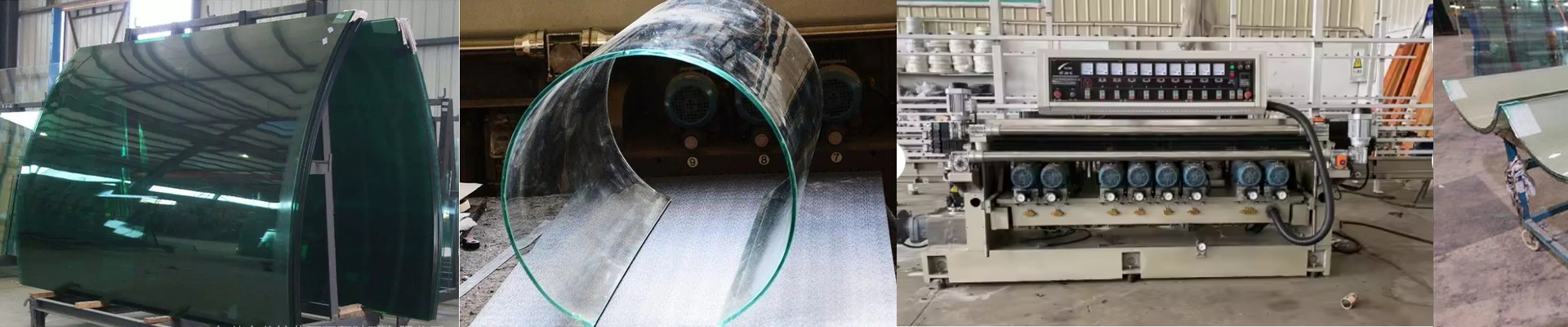


On the floor, seconds and kilowatt-hours add up fast. In tempering, bending, or lamination, uneven heat or a lagging ramp-up kills throughput and invites optical issues. The 2026 best-selling glass heater is built to run flat out, then earn its keep without drama. What we focused on, technically We built this heater for industrial glass work that demands serious power. Short-wave quartz emitters paired with a reflector geometry that tightens the hot zone and keeps stray heat from wandering. The payoff is quick response—full power in seconds—and a more uniform thermal field that reduces edge stress and improves yield. The module is rated for 24 kW and 480 V, with standard quick-connect terminals so you can drop it in and replace OEM heating banks without a redesign. Integrated thermal management keeps the housing under control, so nearby components, seals, and wiring don’t cook. Here’s why it matters in real glass processing: you want speed, but you can’t afford waste. This heater hits target temperature fast, trimming cycle times in tempering furnaces, bending kilns, and EVA/SGP lamination presses. More uniform heat across the glass improves optical quality and cuts scrap from thermal stress fractures. Energy use stays tight because output follows the process curve and idle losses are minimized. In the field, operators have seen double-digit percentage reductions in energy per part, with consistent bend angles and surface flatness. A few practical notes before you spec it in. Installation is straightforward on standard frames, but clearance around the emitter bank is not optional—plan for it. Keep airflow steady and keep the reflectors clean; if you don’t, emissivity drifts and hot spots start sneaking in. The heater plays nicely with most PLCs, but you still need to tune the PID profile for your glass thickness and cycle. Expect a small bump in demand on the supply circuit during ramp-up—size the feeder accordingly.