



Why Most Infrared Heaters Die in Wet Shops (And How We Fixed It)
Let’s be honest: standard infrared heaters and wet environments don’t get along. If you’ve ever run these in a damp shop, you know the drill. A bit of water gets where it shouldn’t, you get a short circuit, or—even worse—the quartz glass just snaps. That’s usually because of thermal shock. You’ve got a glowing hot tube, a stray drop of water hits it, and crack. We got tired of seeing that happen, so we built our IPX4-rated heaters to actually survive the chaos.
Dealing with the Splash
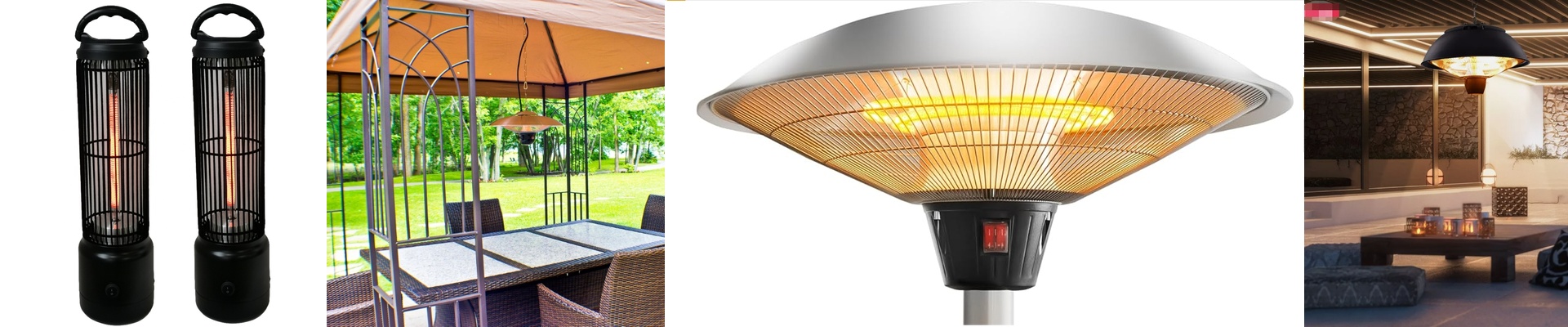
When we talk about IPX4, we’re basically saying these units can take a splashing from any angle without giving up. We didn’t just slap some tape on it. We used custom gaskets and seals around the lamp housing and where the wires go in. It keeps the droplets away from the energized terminals. Plus, the casing acts as a buffer. It keeps the element from getting hit directly by water, which means no sudden temperature drops and no shattered glass.
The Problem with Fog
Then there’s condensation. It’s a quiet killer. When your lens or tube fogs up, it scatters the heat. You lose that punchy heat density, and your system has to work twice as hard—and run way longer—just to hit the temperature you need. To stop that, we tweaked the airflow and added specific coatings. It keeps the surface clear so the heat actually hits your workpiece instead of bouncing around inside the housing.
A Quick Heads-Up on Heat
Here is the trade-off. Because we sealed everything up tight to keep the water out, the heat doesn’t escape the housing as easily as it does with those open-frame heaters. It gets a bit toastier inside. Just a tip: when you’re installing these, make sure your mounting brackets and wire insulation can handle a little extra ambient heat around the chassis.
Putting Them to Work
The best part? These are drop-in replacements. If you’ve already got a controller, you just wire these in and you’re good to go. They’re perfect for wash-down areas or anywhere the air feels like a sauna. You’ll stop replacing heaters every few months because the internals aren’t taking a beating from the moisture anymore. It just works.