



Why we use Shortwave Infrared for Fiberglass Annealing
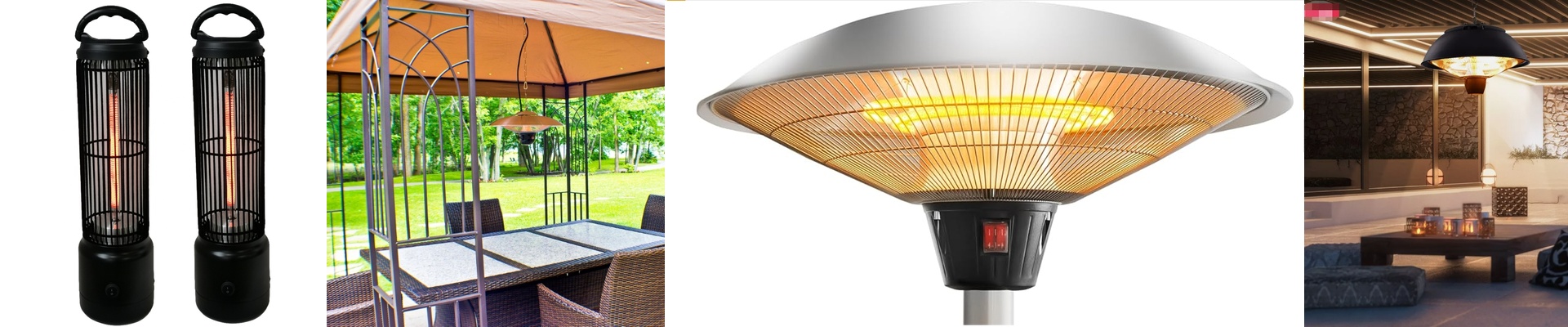
Fiberglass lines move fast. Like, really fast. If you’re still relying on old-school convection ovens for annealing, you know the struggle. They take up a massive amount of floor space and they’re slow to react. You’re basically waiting on a giant box of hot air to catch up. That’s why we use shortwave infrared (SWIR) lamps. Instead of heating the air around the material, these lamps hit the fiberglass with direct energy. It’s a cleaner, faster way to work. You can keep your production speeds where they need to be without worrying about those nasty internal stress fractures ruining your batch.
Speed and the “Lag” Problem
The goal here is simple: get rid of the internal tension without actually melting the fiber. Shortwave lamps hit the target temperature in seconds. It’s almost instant. This is a huge deal because it means you can tweak your heat zones on the fly. If the line speeds up, we just crank the wattage. If it slows down, we drop it. You aren’t sitting around waiting for a massive chamber to stabilize while your product piles up.
Getting the Heat Where it Matters
We build these heaters for high power density. By focusing the energy into a narrow band, the heat actually penetrates the surface of the fiberglass. It doesn’t just warm the “skin”—it gets deep into the fiber cross-section for a much more even result. But here’s a heads-up: you’ve got to get your cooling right. When you push this much power into a small space, things get hot. Fast. If your cooling blowers aren’t up to the task, you’re looking at melted wiring or warped housings. Don’t skimp on the fans.
Keeping the Line Moving
Nothing kills a mood like a dead heater stopping the entire line for half a day. We use standardized connectors and plug-and-play mounts so your team can swap out a lamp in a few minutes and get back to work. Plus, because SWIR doesn’t need to blast air around to work, you don’t have to worry about blowing dust or particulates onto your fiberglass. It’s just a cleaner process. Your product stays stable, and your sanity stays intact.