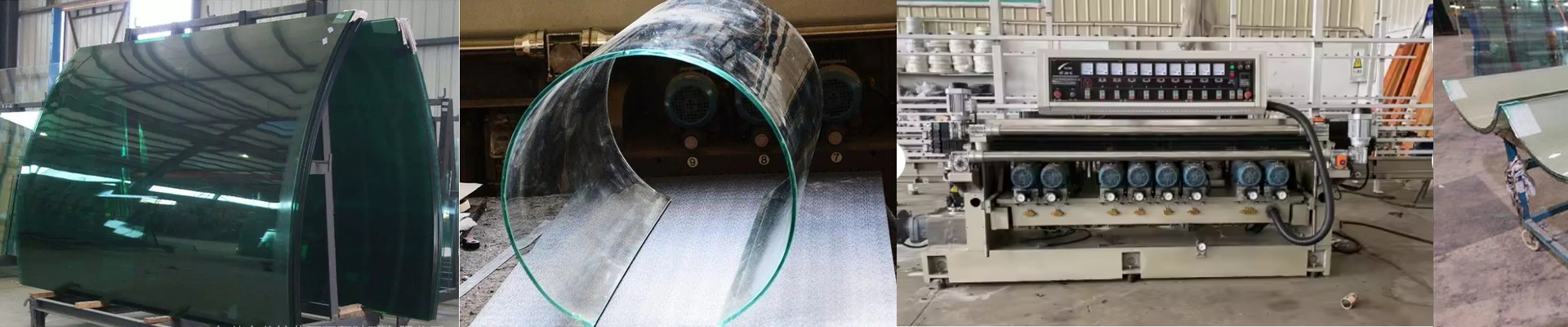


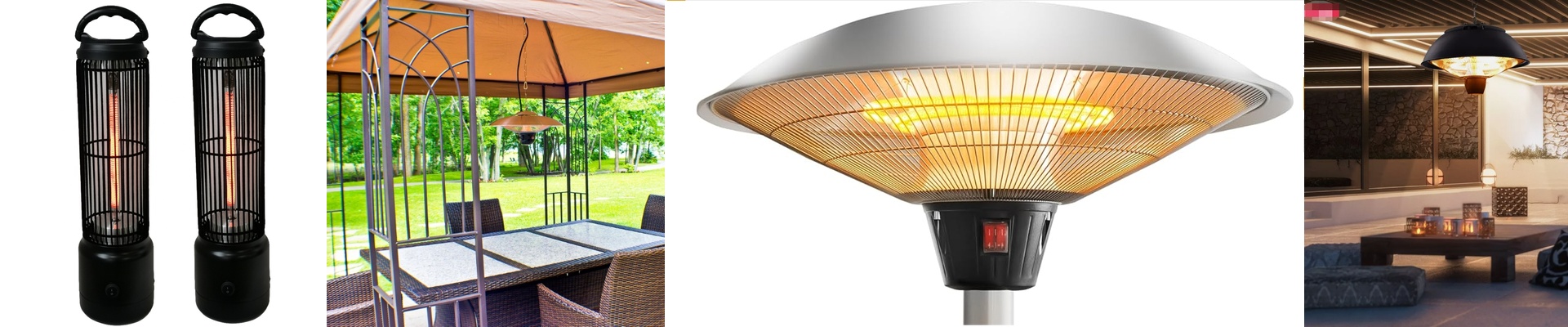


Dealing with the Voltage Headache in Marine Glass Tempering
When you’re tempering marine glass, you need a thermal profile that’s spot on. If it’s off, you’re looking at structural failures—and in the marine world, that’s a disaster. But here’s the real kicker. When we ship these heaters all over the world, the hardest part isn’t actually the heat. It’s the power grid. It’s a nightmare. If you take a machine built for a 480V North American plant and plug it into a 110V circuit, it’s not going to work. Worse, if you do it the other way around? You’ll fry the system instantly.
Getting the Voltage Right (110V to 575V)
We don’t do “one size fits all.” We build our infrared heating elements to match exactly where they’re going. Maybe you’re running a small setup on 110V, or you’ve got a heavy-duty US industrial line at 480V. Or maybe you’re in Canada dealing with 575V infrastructure. Either way, we calibrate the internal tungsten filament to fit that specific grid. And there’s a practical side to this. When we go with higher voltage, we can hit the wattage you need without pulling a massive amount of current. That means your cabling stays thinner and you don’t have to worry about your wiring looms overheating. **Pro tip:**If you’re swapping out old lamps, check the voltage stamp on the end cap. Seriously. If you grab the wrong one, you’ll either get zero heat or a loud pop as the filament blows.
Heat, Speed, and the Trade-offs
To handle the brutal thermal shock of a tempering cycle, we use high-purity quartz envelopes. We focus on shortwave IR because it punches through the glass depth fast. It’s quick. Really quick. That speed is exactly what you need for marine glass to keep surface stress from ruining the piece. But that kind of power creates a lot of radiant heat. You’ve got to make sure your cooling fans and housing can actually breathe. If they can’t handle the ambient temperature rise, your heater supports might start to warp.
Swapping Them Out
We designed these to be drop-in replacements. No one wants to spend their weekend rewiring a whole control panel. So, we match the exact length and connector type of your current setup. We build it to your specific voltage and wattage, so you can just plug them in and get back to work.