


Introduction
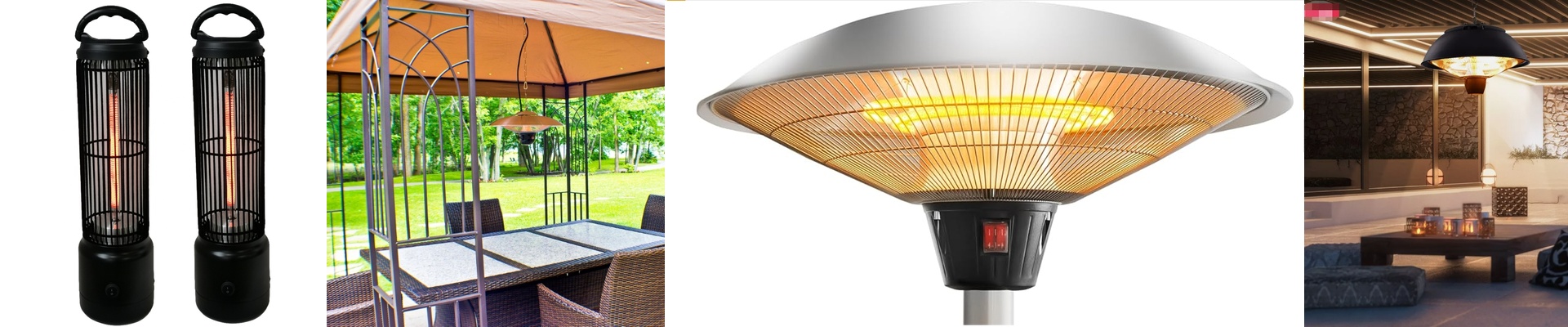
Here’s the question we’re always answering on the shop floor: Why do our shortwave infrared (SWIR) lamps give you a bond that’s three times stronger than what you get from standard hot air drying? No hype. Just physics. SWIR energy doesn’t just warm the surface. It dives straight into the coating and couples with the glass underneath, creating a molecular bond that hot air simply can’t touch.
Power and Output: All In, Right Now
We built these lamps to be intense. A typical unit runs at 2500W, on a 400V supply. That power is what it takes to push current through the thin tungsten filament inside the quartz tube. And the payoff? Instant, hard-hitting heat. The lamp hits peak temperature in seconds, so your production line doesn’t have to wait around for a furnace to cycle up. It’s fast. Really fast. That speed cuts your cycle time, but yes, it asks something in return. Your wiring and contactors need to be ready for the full load. The trade-off is honest: you get immediate heat, but your electrical setup has to be up to the task.
Built to Last: The Halogen Heart
Inside the tube, we rely on the halogen cycle to keep the filament strong. This design keeps the lamp running clean and bright for 5,000 hours, even when it’s running hot. The quartz envelope? Chosen because it handles thermal shock well and transmits SWIR energy cleanly. And the R7s base? It’s a simple, bi-pin connector that makes the whole thing a true drop-in replacement. Wire it up, clamp it in, and you’re ready to run.
The Bond That Sticks: Curing from the Inside Out
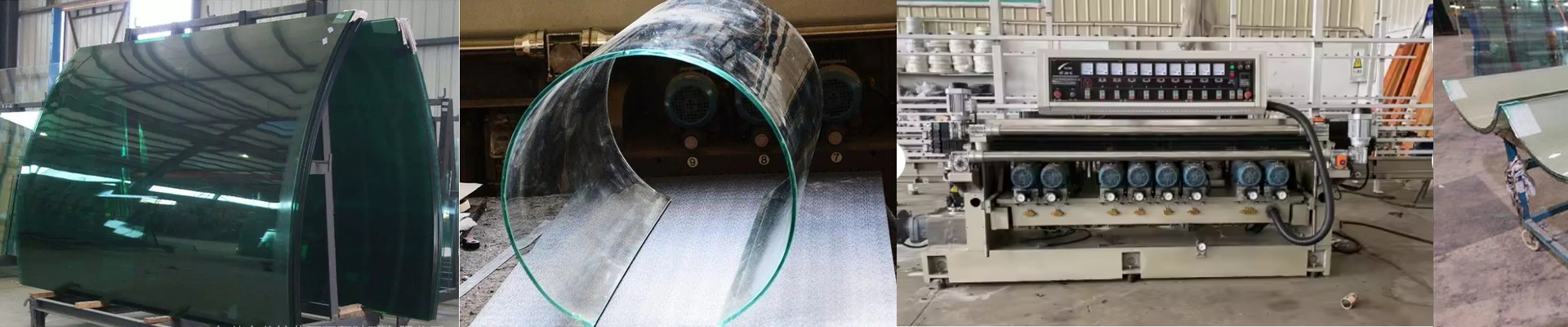
When you’re curing a nano-coating on glass, surface heat isn’t enough. With hot air, you’re heating the air first, then the surface. It’s roundabout, and it often leaves you with a cure that only lives on the top. SWIR is different. It penetrates the coating and gets absorbed by the glass itself. That means the cure starts from the bottom and works its way up, not just the other way around. The result is a bond that’s stronger, more even, and more reliable. For engineers, that translates into higher yield and a finished product that feels solid, not fragile. And because the lamp delivers the heat density the process needs, and the R7s connection fits right into what you already have, it slots into your line without a fight.