


The Real Deal on Glassware Annealing
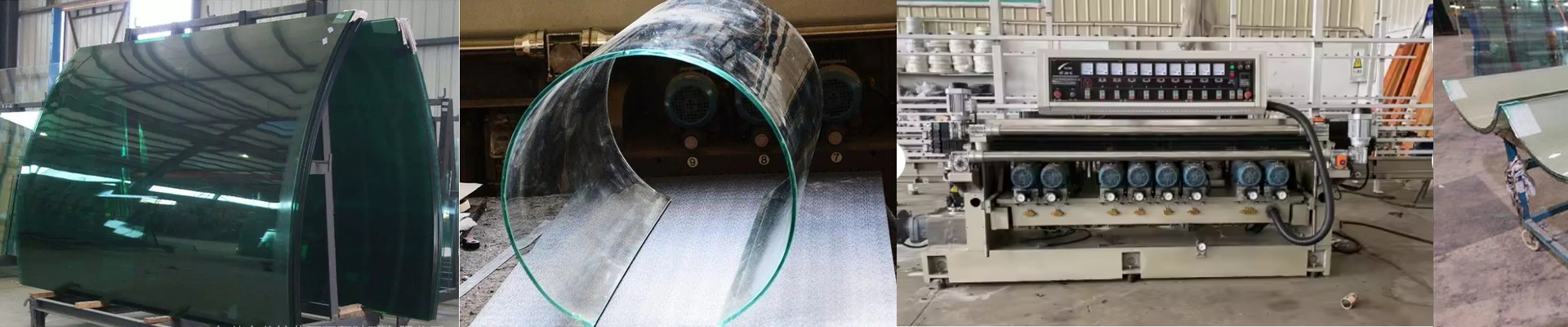
Annealing isn’t just about cranking up the heat. It’s a balancing act. You have to guide the glass from that sweet spot—the annealing point—down to the strain point without leaving any permanent stress trapped inside. Get your temperature gradient off by just a few degrees? That’s how you end up with a pile of shattered glass and a very bad day.
The Truth About Heat Profiles
We don’t just ship you heaters and wish you luck. We look at thermal zones. Think of it as wattage-per-centimeter density. You need the core of the glass to hit the target temperature perfectly. If you swap in a replacement lamp that’s the wrong length or voltage, you’re asking for “cold spots.” It’s a nightmare. The piece looks perfect on your bench, but the second it hits a thermal shock in the real world, it pops.
The Nitty-Gritty on Parts
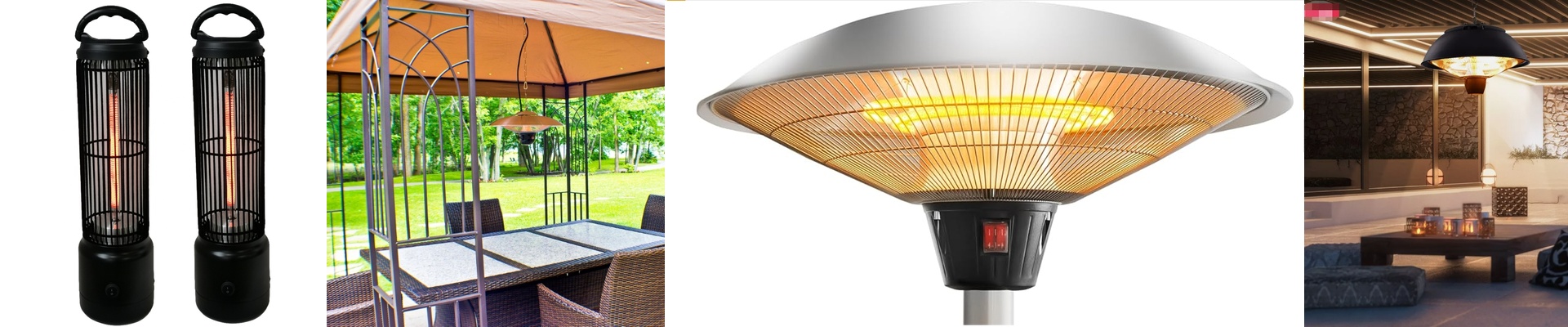
We usually go with high-density quartz or halogen elements. Quartz is great because it handles high heat and lets IR transmission through cleanly. But man, those tubes are fragile. One clumsy move during installation and you’ve cracked the whole thing. Then there are the connectors—the R7s or Sk15 types. You want a tight fit. Period. A loose connection isn’t just annoying; it creates localized resistance heating. That’s a fancy way of saying it’ll burn out your socket and kill your lamp way too early. You need a secure connection to handle the current without melting your housing into a puddle.
Why We Prefer to Come See You
Here is the thing: most shops try to fix a heating problem by just buying a “stronger” lamp. Don’t do that. If you bump up the wattage without tweaking your dwell time or conveyor speed, you’ll just scorch the surface while the core stays stressed. That’s why we’d rather just come to your shop and diagnose the line in person. We want to see the actual heat footprint. We check if your cooling fans are basically fighting your heaters in a tug-of-war. Annealing is all about a balanced thermal budget. If your setup can’t handle the load, a more powerful heater is just going to burn out faster.