


Why we’re swapping out old bathroom heat lamps for IP65 infrared
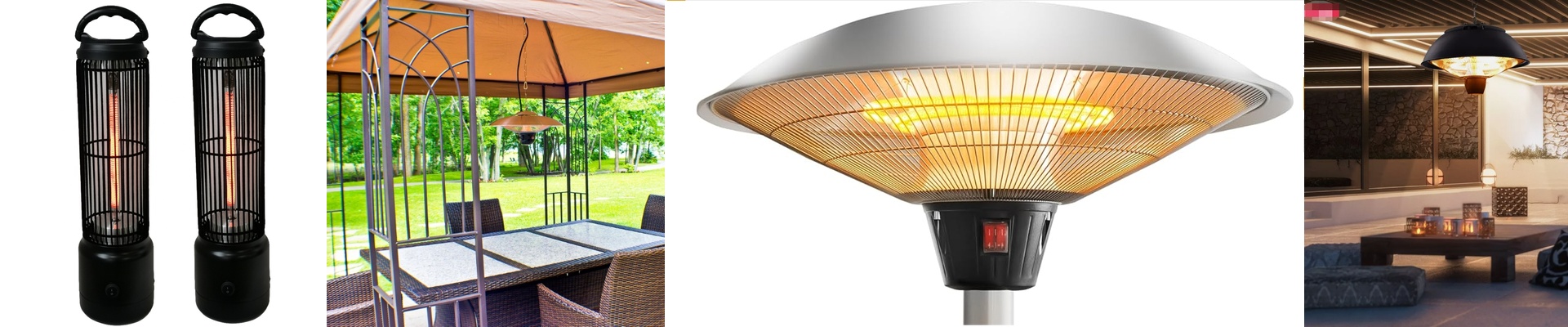
If you’ve been renovating a bathroom lately, you’ve probably noticed that those old-school heat lamps are disappearing. People are moving toward IP65 infrared elements instead. Why? Because bathrooms are basically steam rooms, and water and electricity aren’t exactly best friends. The problem with the old stuff Most traditional heaters aren’t actually sealed. When you take a hot shower, that steam finds a way inside the housing. Pretty soon, you’ve got short circuits or a burnt-out element. It’s frustrating and, frankly, a pain to fix. That’s where the IP65 rating comes in. It’s basically a fancy way of saying the unit is dust-tight and can handle water jets hitting it. We seal the connections and the housing tight so water never touches the live terminals. It just stays dry. How the heat actually works Here is the cool part. Standard heaters try to warm up all the air in the room, which takes forever. Infrared is different. It sends out short-wave radiation that hits your skin and the surfaces around you directly. You feel the warmth the second you flip the switch. No waiting around shivering while the room slowly warms up. We use quartz glass tubes for the filaments to keep things compact but powerful. A few things to keep in mind The best part about these is that they’re mostly drop-in replacements. You can swap the element without having to tear your entire ceiling apart. But, a word of caution: these things gethot. Really hot. If you put a high-wattage tube into a tiny ceiling cavity without enough breathing room, you might warp the fixture or overheat the mounting materials. Just make sure there’s plenty of space for the heat to move. The “Gotcha” during installation The IP65 protection only works if it’s installed correctly. If the person wiring it forgets to tighten the cable glands or uses a cheap gasket, that waterproof rating goes right out the window. But once it’s sealed up right? These elements can take a beating from constant humidity and temperature swings way better than the open-element heaters ever could.