


A Custom Shortwave Infrared Halogen Lamp, Built for One Tough Job
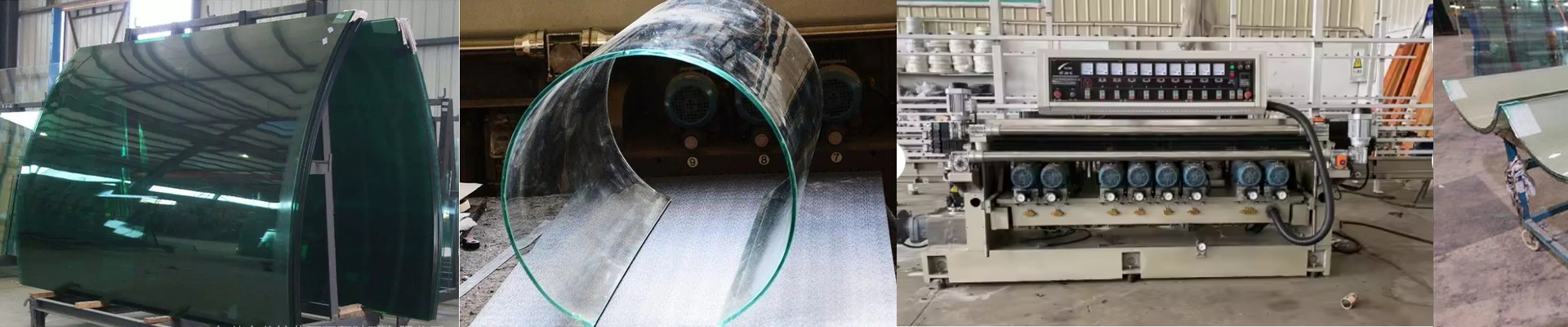
We built this lamp for a very specific reason: to cure those thick, fire-retardant glass coatings at extreme temperatures. Regular ovens just can’t get the heat concentrated enough to do the job right. This system blasts the thermal energy straight into the coating, so it sets up perfectly—no cracking, no peeling.
Power, Voltage, and Size: The Details That Matter
At the heart of this is a heavy-duty, shortwave infrared tube built for the factory floor. It runs on 400V and pulls the kind of current that creates serious heat—exactly what you need for those ultra-high-temperature cycles. We kept the tube at 300mm for a reason. It gives you a compact footprint, so it fits into tight production lines without sacrificing power. The 2500W power density delivers a focused blast of heat that drives straight through the coating to the substrate. That means faster curing, and it keeps the glass itself from taking on too much stress.
Built to Last: Halogen, Quartz, and a Rock-Solid Connection
We went with a halogen-filled quartz envelope because it can handle rapid temperature swings and high heat without breaking down. The quartz transmits infrared energy efficiently, and the halogen cycle keeps the filament stable, which helps extend the lamp’s life. For the connection, we chose an R7s connector. It’s a proven industrial standard that gives you a solid, two-point connection. It handles the high current safely, with no hot spots or arcing. And it’s designed as a drop-in replacement, so you can wire it in without having to re-engineer the whole setup.
What It Feels Like on the Production Floor
On the line, this lamp configuration clears a real bottleneck. Fire-retardant coatings need a deep, even cure to meet safety specs, and broad-spectrum heating often leaves the core under-cured. Our focused shortwave infrared hits the target temperature fast and holds it steady. The result? Consistent cross-linking across the whole surface. That means fewer rejects and a line that keeps moving.
A Quick Reality Check on Heat
Here’s the trade-off: a 2500W tube running at 400V throws off a lot of ambient heat. So your machine’s cooling system needs to be up to the task. Plan for proper airflow and shielding to protect nearby components. This isn’t a plug-and-play bulb you pick up at the hardware store—it’s a production tool that needs a system-level approach.