



Getting Your Glass Thermal Profiling Right
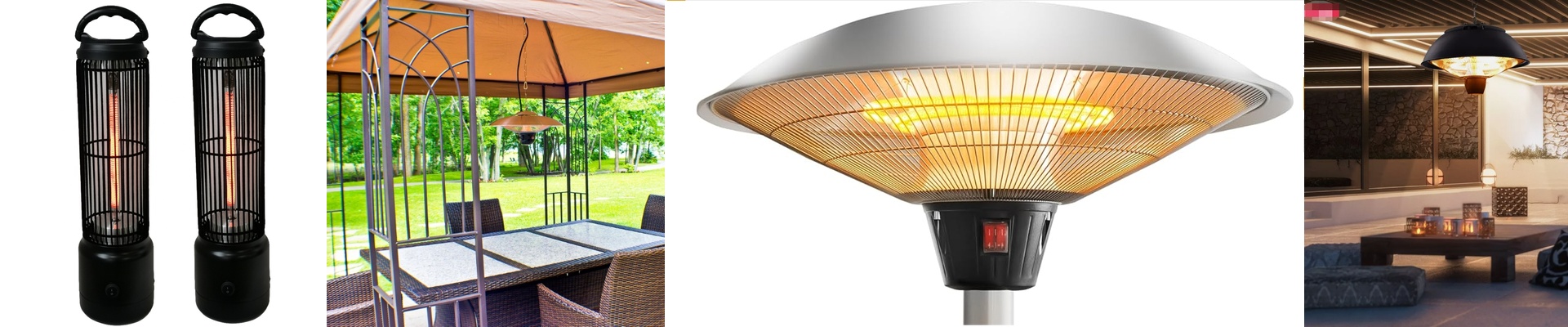
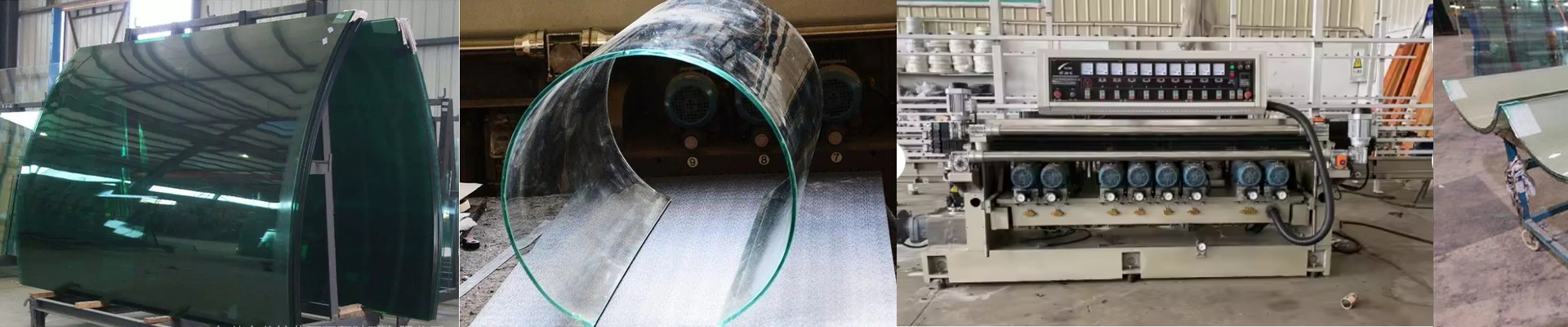
Most off-the-shelf infrared lamps are designed to be uniform. They push out the same amount of heat across the whole surface. But if you’re in R&D, “uniform” is usually the last thing you actually want. When you’re testing new glass compositions, you need to find the breaking points. You need specific thermal gradients to see how the material handles stress or how it shifts phases. That’s why we don’t do “standard.” We customize the power density across the lamp so you can actually control the parameters, rather than just hoping for the best.
It’s Not About the Total Wattage
Here is the thing: a lot of engineers get hung up on total wattage. It’s a trap. In glass annealing, what actually matters is the wattage per centimeter. That’s what dictates the surface temperature and how fast the heat actually sinks into the material. We can tweak the filament winding or adjust the voltage drop in specific sections of the tube. This lets us build “hot zones” and “buffer zones” right into a single lamp. So, if your sample needs a quick blast of heat at the edges but a slow, steady soak in the middle, we just build the lamp to do exactly that.
The Trade-offs (Because Nothing is Free)
Now, there’s a catch. When you cram more power into one section of the quartz envelope, you’re putting a lot of stress on that specific spot. You get the exact heat map you asked for, but those high-density zones are going to wear out faster than the rest of the tube. It’s a balancing act between how intense you need the heat to be and how long you want the lamp to last. We use high-purity quartz to help handle those peaks, but you’ll still need to make sure your cooling fans are aimed right. If you don’t, the lamp ends will just burn out.
Stop Guessing in the Lab
Trial and error is exhausting. Using generic heaters when you’re developing new materials is basically just gambling with your timeline. Custom power distribution lets you isolate your variables. You can keep the center of your specimen at a rock-solid annealing temperature while you play around with the heat on the perimeter. It takes the guesswork out of the cycle. You stop wondering why a sample failed and start knowing exactly why.