



Getting the Heat Right for Train Window Glass
When you’re annealing glass for a train window, you can’t just crank up the heat and hope for the best. It’s all about the cooldown. If you don’t manage that rate perfectly, you end up with internal stress. And internal stress is just a fancy way of saying the window might spontaneously shatter. That’s why we don’t just sell you a few lamps and wish you luck. We look at your whole heat zone. One heater in the wrong spot can warp a massive pane of glass in seconds.
The Reality of the Heat Zone
To get the glass to that sweet spot without frying the edges, you need the infrared (IR) to hit just right. We use shortwave IR to get deep into the glass and medium-wave to soak the surface. Usually, we go with high-wattage quartz lamps because, let’s be honest, you need to move product fast to keep the plant profitable. But here’s the catch: your conveyor speed has to be in total sync with the lamp output. Move too fast? You’ve got residual stress. Move too slow? Your glass starts to deform. It’s a delicate balance.
The Gear and the Trade-offs
We use reinforced quartz envelopes. Why? Because they can handle the shock of rapid heating and cooling without cracking. We also make sure the connectors—whether they’re R7s or something custom—can take the constant shaking and vibration of a heavy industrial floor. One thing to watch out for is voltage drop. If you’ve got a long line of lamps on a 230V system, the ones at the end of the line often lose steam. We fix this by balancing the load across different phases. And a quick heads-up: if you push for max wattage, your cooling fans are going to work overtime. If your ventilation can’t handle that extra heat, you’ll fry your control electronics. Not a fun day for anyone.
Why We Come to Your Shop
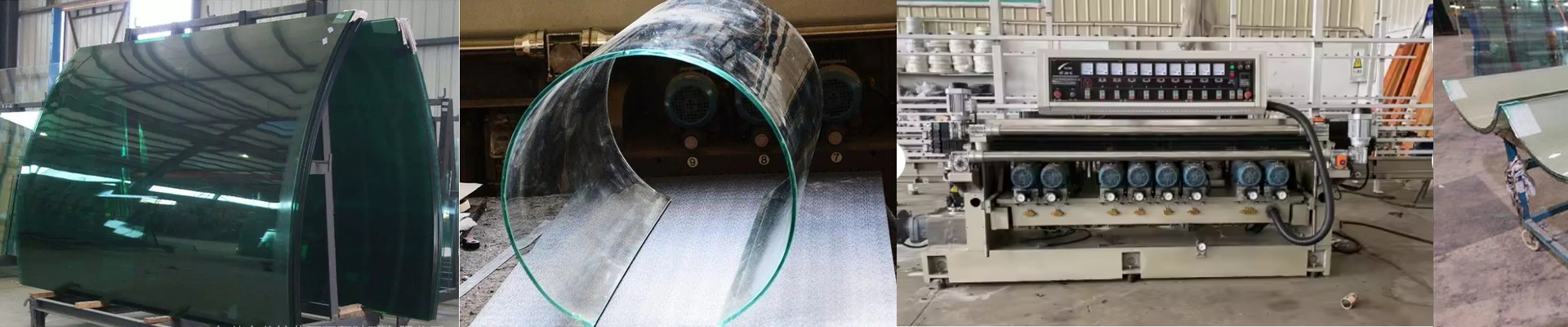
A datasheet is great, but it doesn’t tell us why your glass is sagging or where the cold spots are hiding. We’d much rather just show up at your facility and map the thermal footprint ourselves. We want to see the actual curve of the glass and measure the temperature changes in real-time. Once we see what’s actually happening on the floor, we can tweak the lamp spacing and power settings. It takes the guesswork out of the equation.