

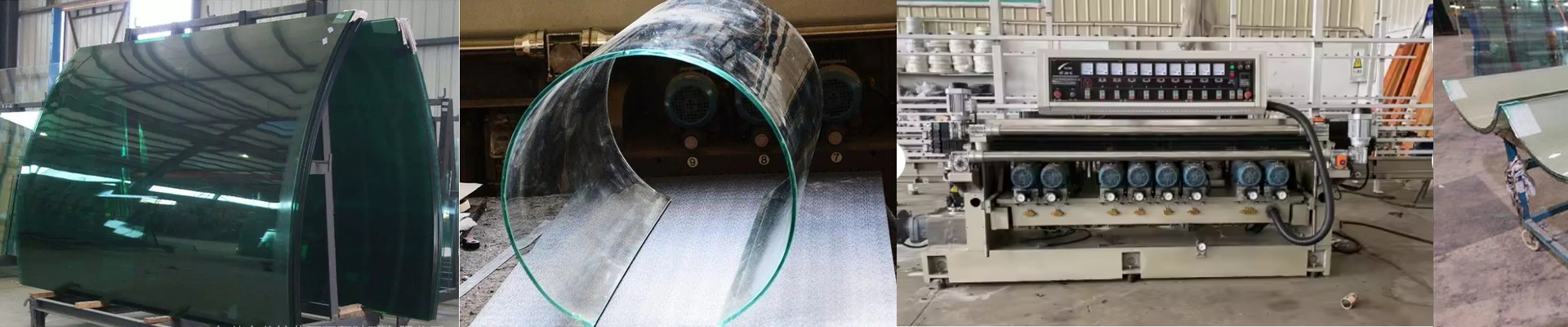

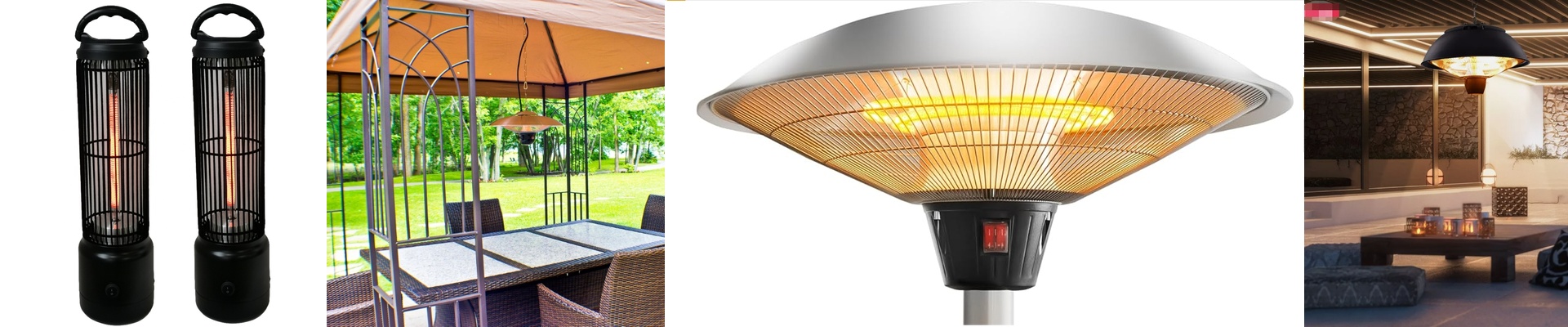

Cutting ultra-thick glass is a brutal process. There’s so much friction and stress involved that if you try to score it cold, your cutting wheel is going to take a beating. It’ll burn out fast. To stop that from happening, we use high-penetration infrared (IR) heating lamps. Basically, we soften the glass right where the cut needs to happen. Here is how it actually works. We use shortwave IR emission for these heaters. Most heat just sits on the surface, but shortwave radiation actually sinks deep into the glass. It doesn’t melt the material—that would be a disaster—but it lowers the viscosity just enough. It makes the glass “give” a little under the wheel. Suddenly, the cutting head isn’t fighting a brick wall anymore. This changes everything for your tools. When the path is pre-heated, the wheel doesn’t have to battle the full hardness of cold glass. You’ll notice way fewer chip-outs and fewer cracked edges. Plus, because the mechanical load is lower, your diamond or carbide wheels actually last. You spend less time cursing at a broken tool and more time actually running your line. But you can’t just crank the power and hope for the best. These lamps create intense pockets of heat. If your cooling system isn’t up to the task, that heat can bleed into the machine frame or fry your sensors. You have to be precise. The heat needs to hit the cutting path, not the chassis. We also suggest wiring the lamps into a closed-loop PID controller. You need that temperature to stay steady. If the glass gets too hot, you’ll get random, ugly fractures. Too cold? Your wheels will dull in half the time they should. It’s all about finding that sweet spot.