

Why Standard Heaters Fail in Changing Rooms (And How We Fixed It)
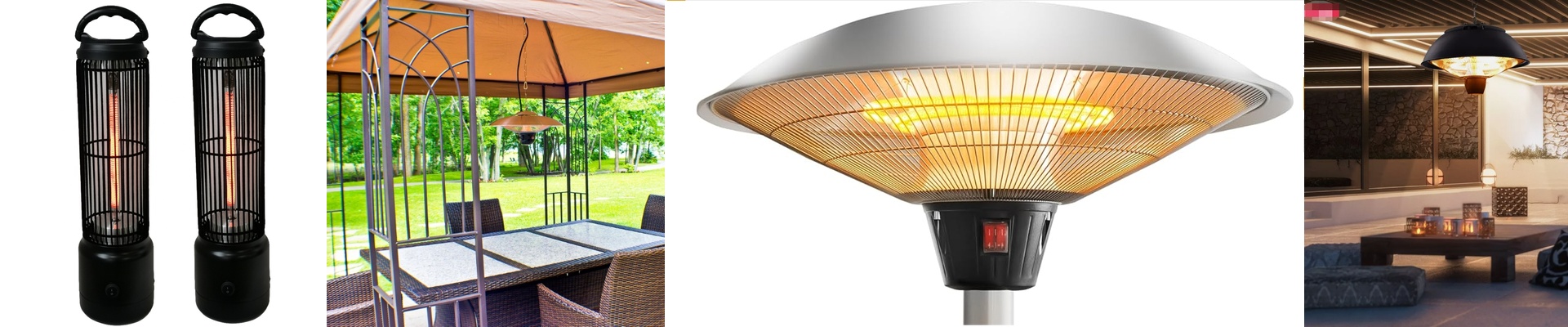
Ever stepped into a massive, open-plan locker room and felt that bone-deep chill? Most heaters just try to warm up the air. The problem is, in a big room, that warm air just drifts away. You’re left shivering while the ceiling gets all the heat. We decided to stop fighting the air and just skip it entirely. That’s why we use shortwave infrared (IR) in our high-end Towel rails. Instead of warming the room, the energy travels in a straight line and hits the towel—or your skin—directly. It’s the same feeling as stepping into sunlight on a cold winter morning. You feel it in seconds. Even if the room is freezing, you’re warm.
How the Magic Happens
We build these systems for raw power. We use quartz-halogen filaments because they don’t need time to “warm up.” They’re on instantly. Compare that to those old water-filled rails. You have to wait forever for the water to heat up, then wait again for the metal to get warm. IR rails don’t play that game. They create a “warm zone.” You get a cozy pocket of heat exactly where you need it, without wasting electricity trying to heat a giant, drafty locker room.
The Nitty-Gritty Stuff
On the technical side, we stick with R7s or SK15 connectors. They’re tight, reliable, and easy to swap out if you ever need a replacement. We also coat the quartz glass to tweak the wavelength. It sounds fancy, but it basically just means the heat is tuned to a frequency your body actually absorbs. But here’s the thing: you have to be smart about wattage. A high-wattage rail puts out a ton of heat, but it’s concentrated. If you mount it too close to a plastic wall or something flammable, you’re going to scorch it. You’ve got to get the mounting distance just right to avoid those nasty hotspots.
Getting It Installed
The best part? These are basically drop-in replacements for the rails you already have. Just wire them into a dedicated circuit and make sure you have a proper thermal cutoff for safety. One heads-up, though. These filaments get incredibly hot. If a freezing cold splash of water hits the quartz tube, or if someone bangs into it with a heavy bag, it can crack. If you’re putting these in a high-traffic area where things get chaotic, throw some protective guards on them. It’ll save you a lot of headaches down the road.