


Introduction
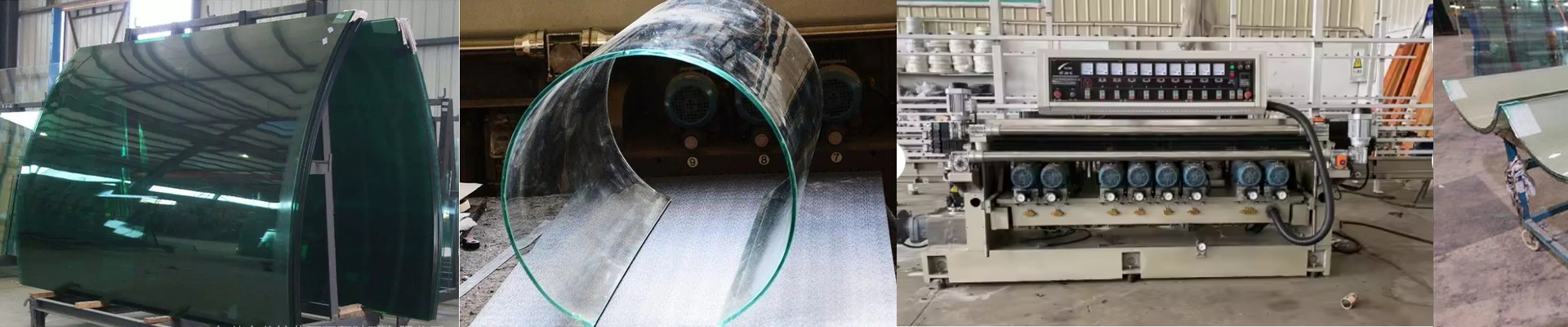
Here’s the thing—we build glass tempering preheating lamps for engineers who crave control, not just a blast of heat. You need precise, repeatable thermal input across the entire glass surface before the quench cycle kicks in. Off-the-shelf heaters? They usually fall short. Glass, especially the new formulations, demands an exact power density distribution. So we built our solution around tunable output and a tough-as-nails lamp platform that can handle the daily grind of the shop floor.
Technical Deep-Dive: Power, Voltage, and Dimensions
Preheating for tempering means you need serious power packed into a small footprint. Our lamps deliver that concentrated punch in a tight 300mm active zone. That way, you hit your target temperature fast, without turning the surrounding hardware into a hotbox. We run on high voltage—typically 400V—which keeps the current lower for the same wattage. This means you can use smaller wiring, which makes life easier when you’re squeezing everything into a tight control cabinet. But here’s the catch. High power density means the lamp itself runs hot. The fixture around it has to be designed to handle and shed that heat. If your machine’s cooling and clearance aren’t planned for it, you’ll end up with thermal drift and a shorter lifespan for your components.
Material and Design: Halogen, Coating, and R7s
Inside, we use a halogen capsule housed in a quartz envelope. The filament stays stable at extreme temperatures, and the halogen cycle prevents that annoying blackening over time. The result? Steady, reliable output even during those marathon runs. That stability is crucial when you’re validating a new glass recipe. We chose quartz for its high thermal shock resistance, and the coating is engineered to manage the spectral output and shield the envelope from environmental contaminants. And the R7s base? That’s no accident. It gives you solid mechanical support and a reliable electrical connection for a high-wattage, high-temperature lamp. It’s a proven, drop-in connector for industrial heating lamps, so swapping out a lamp is as simple as it should be—no redesigning the holder.
Application and Benefits
When it comes to glass tempering preheating, uniformity and speed are what make or break your yield. When you tune the power density to match the glass shape and thickness, you cut down on edge stress and optical distortion. Our lamps give you the freedom to dial in the thermal profile, which is a game-changer when you’re working with new materials and coatings. On the production line, it installs as a direct replacement. You get predictable heat-up, stable output, and fewer burnouts, even during continuous operation. For new glass development, being able to specify the power density distribution means you can iterate faster, tighten your process windows, and get consistent results from the lab straight to production.