

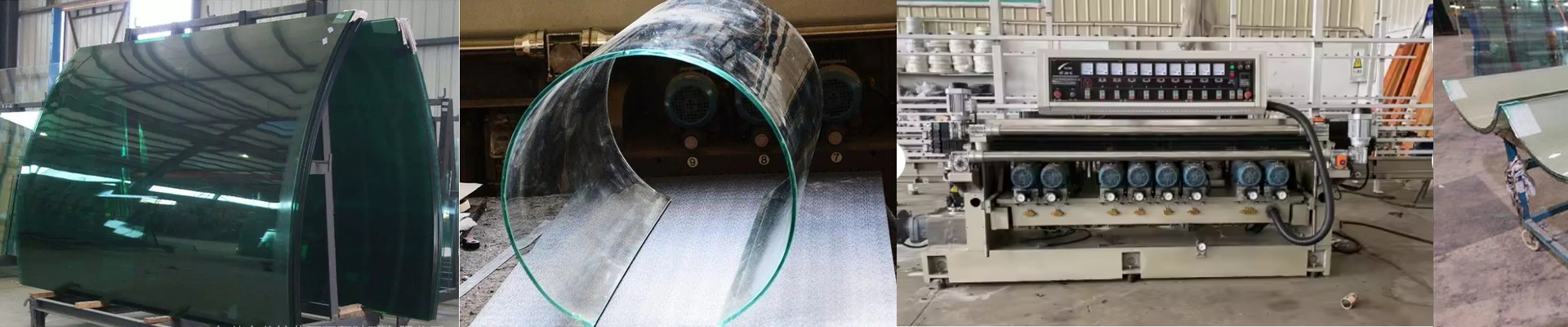


Why Fast-Response IR Lamps are a Lifesaver for Inline Glass Annealing
In a glass plant, lag is the enemy. You can’t just wait around for a convection oven to warm up when your line is humming along. If there’s a gap between forming and annealing, you’re asking for internal stress and cracks. It’s a nightmare. That’s why we stick with shortwave infrared (IR) lamps. Instead of wasting time heating up the air around the glass, these lamps dump energy directly into the glass molecules. It’s immediate. The magic of speed Most heaters take forever to hit their target temperature. Not these. IR lamps hit full power in milliseconds. This means you can actually control the heat zone by zone. As your glass glides down the conveyor, you can tweak the power on the fly to match exactly what that specific grade of glass needs. No more batch processing bottlenecks. No more waiting. The reality of high-density heat To get the kind of heat flux you need for inline annealing, we use high-wattage quartz tubes. They pack a massive amount of energy into a tiny space, which is the only way to penetrate the glass surface quickly enough. But here’s the catch: that much heat is aggressive. If you aren’t careful, this radiant heat will warp your sensors or melt your wiring right off the wall. You can’t cut corners here. You need heavy-duty cooling fans and high-temp cabling, or your lamp housing is going to cook itself. Keeping things moving We build these systems so you aren’t fighting them. We use standard connectors, so when a lamp finally burns out, you can rip it out and pop in a new one in a couple of minutes. The line keeps moving, and your stress levels stay down. Plus, because you’re aiming the heat exactly where it needs to go, you aren’t paying to heat your entire factory floor. You’re putting the energy into the glass, which is where it belongs.