



Getting Your IR Heating Right for Glass Silk-Screening
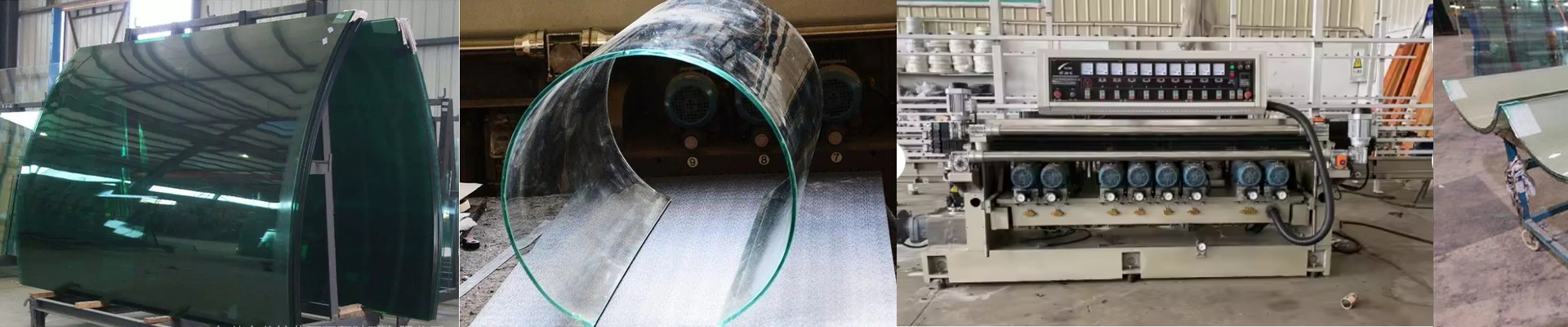
When you’re trying to dry silk-screened ink right before tempering, you’re basically walking a tightrope. If you’re too slow with the heat, the ink starts to bleed. Your sharp patterns turn into a blurry mess. But if you go too hard? You risk thermal shock or uneven stress, which is a great way to end up with a pile of broken glass. That’s where shortwave infrared (IR) lamps come in. They bridge that gap. Keeping Your Lines Sharp The trick is to get the surface to evaporate fast. You don’t want to soak the entire slab of glass in heat before it even hits the furnace; you just want to “flash dry” the ink. This locks the pigment in place instantly. The result? Crisp lines and high contrast. We use lamps with high wattage-per-centimeter because that energy needs to hit the surface hard and fast to stop the ink from migrating. But it’s a balancing act. Too much intensity in one spot and you’ll scorch the ink. You’ve got to play around with your conveyor speed and lamp height until it feels just right. The Hand-off to the Furnace Once the ink is set, the glass heads for the tempering phase. You can’t just throw cold glass into a hot furnace—it’s too much of a shock. We use quartz-halogen tech here because it ramps up in seconds. But don’t just crank the power to the max. If the coated side gets way hotter than the clear side, the glass can bow or develop internal stress. To fix this, we zone the IR array. We hit it hard at the start to dry the ink, then taper the heat off to keep everything steady as it moves along. Real Talk: The Shop Floor Here is the part people often overlook: your wiring. These lamps pull a massive amount of current. If your voltage drops, your drying time slows down, and suddenly your patterns are blurring again. Make sure your power supply is rock solid. And for heaven’s sake, keep your reflectors clean. A bit of dust might not seem like a big deal, but it can kill your heat output by 20%. It’s a simple fix that saves a lot of headaches.