


Getting Infrared Heat Right for Wide-Format Low-E Glass
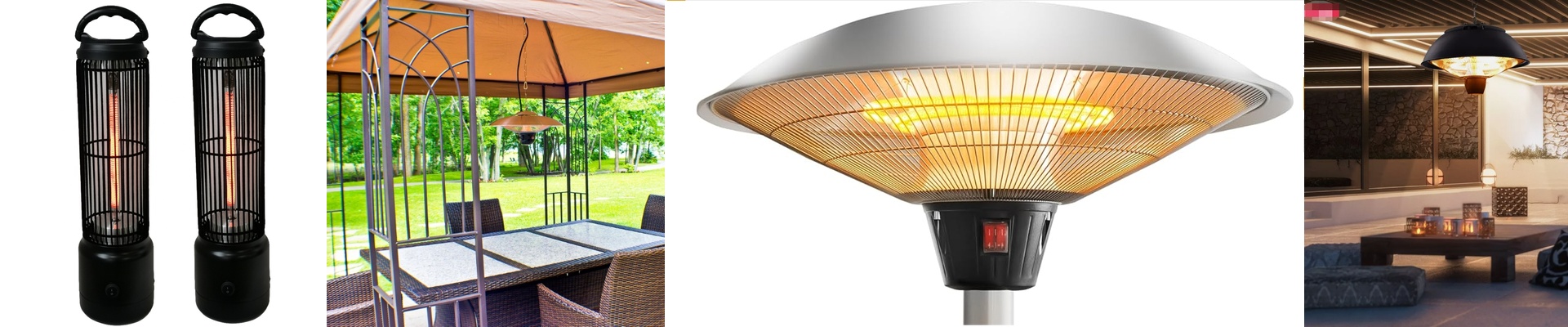
If you’re preheating Low-E glass, you know the drill: the heat has to be perfectly even across the whole surface. If it isn’t, you’re looking at warped glass or coating defects. That’s a nightmare nobody wants. The problem is that when you scale up to wide-format production, the standard lamps you find in a catalog just don’t cut it. That’s where we come in. We build continuous infrared heating units—some over 3 meters long—specifically to fit those massive oven footprints.
The tricky part about long lamps
You can’t just stretch a filament and call it a day. Once you get past 3 meters, voltage drop becomes a real pain. If the power isn’t balanced, you get cold spots. And cold spots mean the glass doesn’t cure evenly. We spend a lot of time on the internal circuitry to make sure the heat is just as strong at the very end of the lamp as it is at the start. We use high-grade quartz tubing to keep everything protected. For Low-E work, we usually stick with medium-to-short wave IR. It hits the glass fast, which means you don’t need a giant, sprawling oven taking up your entire shop floor.
No “out of the box” solutions here
We don’t do one-size-fits-all. Every line is different. If you’re running your line fast, we bump up the wattage per meter to get the glass up to temp quicker. But there’s a catch: more heat means your cooling system has to work harder so the oven housing doesn’t bake itself. Then there’s the hardware. Quartz expands when it gets hot. If you bolt a 3-meter tube down tight, it’ll snap. We use custom floating mounts that let the glass “breathe” as it heats up.
Making it work on your floor
Whether you’re adding a new line or replacing an old system, these units just slide in. We handle the wiring looms and controllers so the heat stays in sync with your conveyor speed. You get a smooth, consistent thermal profile across the entire width of the glass. The best part? You can stop using a bunch of overlapping smaller lamps. Those usually leave “zebra stripes” of uneven heat on the glass. With one continuous unit, those stripes just disappear.