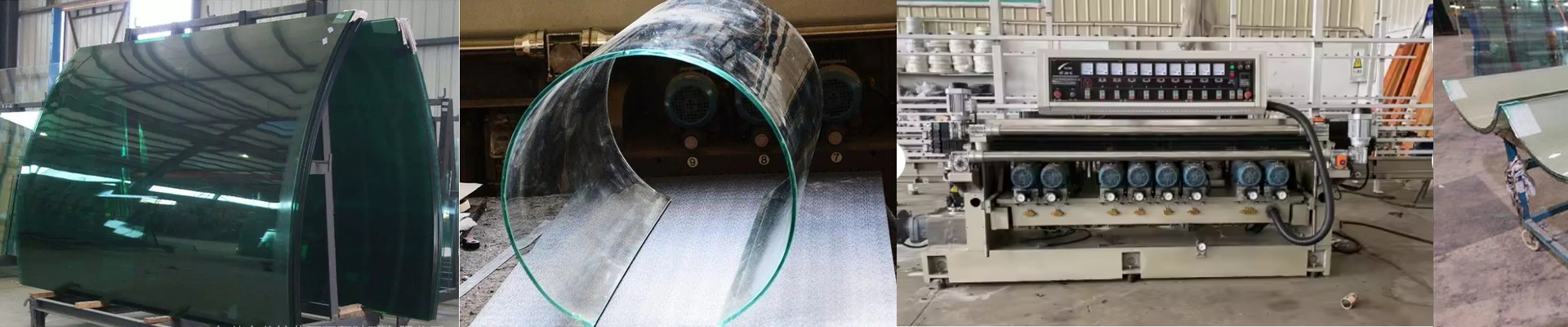




Getting Rid of Glass Stress Without the Headache
Tempered glass is a bit of a wildcard. It holds onto internal stresses that, if you aren’t careful, can lead to the glass just… shattering. Out of nowhere. To stop that, we use infrared (IR) heating to relax the glass and let those stresses go. But here is the thing: there is a huge difference between buying a few IR lamps and actually having a heating system that works.
Stop Messing Around with Single Lamps
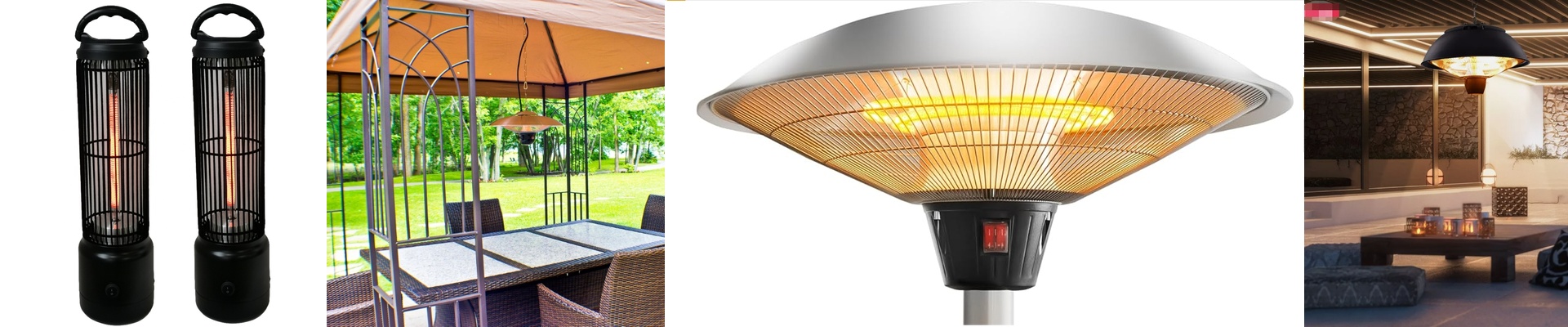
If you’ve ever bought single IR tubes, you know the drill. Your team spends hours figuring out the mounting, messing with the wiring, and trying to get the curve just right for the glass. It’s a lot of guesswork. We decided to fix that. Instead of leaving you to figure it out, we build curved heating modules. Think of them as a “plug-and-play” setup. We handle the frame, the lamps, and the controllers all in one go. You just drop it in. No more spending your afternoon trying to align individual tubes by hand. It just works.
Let’s Talk Heat
To get the stress out of the glass, you need the heat to hit the right spots. We use shortwave IR emitters because they punch deep into the glass and do it fast. When we’re designing these, we look closely at the wattage density per linear centimeter. You want that power, but there’s a catch: high-wattage tubes are thirsty. They pull a lot of juice. Before you go all-in on a modular array, just double-check that your electrical panels can handle those initial power spikes when everything kicks on.
Built for the Shop Floor
Factory floors are brutal. Things get bumped, dropped, and covered in grime. That’s why we use industrial-grade connectors and cabling that can actually take a beating. And we know lamps eventually burn out. It happens. With a modular design, you can just swap the emitter and get back to work. You don’t have to tear down the whole heating bank just to fix one bulb. Now, you do give up a little bit of flexibility. A fixed curved module isn’t something you can tweak on the fly like a standalone lamp. But honestly? That’s a good thing. It means the heat stays consistent every single time. No more “operator error” or wondering why one batch of glass looks different from the last.